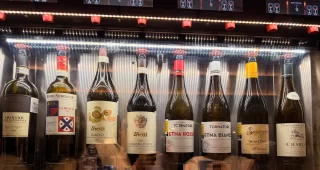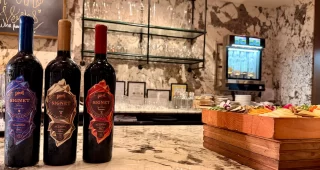


Italy is one of the world’s leading wine-producing countries with an extraordinary diversity shaped by its varied landscapes, climates and indigenous grape varieties. This rich heritage was showcased at an event organised by Ozzano Selection in association with the Italian Trade Agency in New Delhi.
I was privileged to join a select gathering of wine trade professionals and media for the event, led by Matteo Ozzano, founder of Ozzano Selection.
Held at DIVA, the Italian restaurant within the Italian Cultural Centre, the event offered an opportunity to discover wines from several Italian regions, ranging from established favourites to lesser-known labels that deserve greater recognition.

Founded in 2012, Ozzano Selection works with more than twenty established, family-run Italian wineries, helping introduce their wines to international markets. Its portfolio offered a useful reminder that Italian wine is not just about Prosecco, Chianti or the celebrated reds of Tuscany and Piedmont. There is a much wider world of regional wines, indigenous grapes and distinctive styles that deserves a place in the reasonably evolved Indian market.
Veneto: Familiar grapes, a sense of place
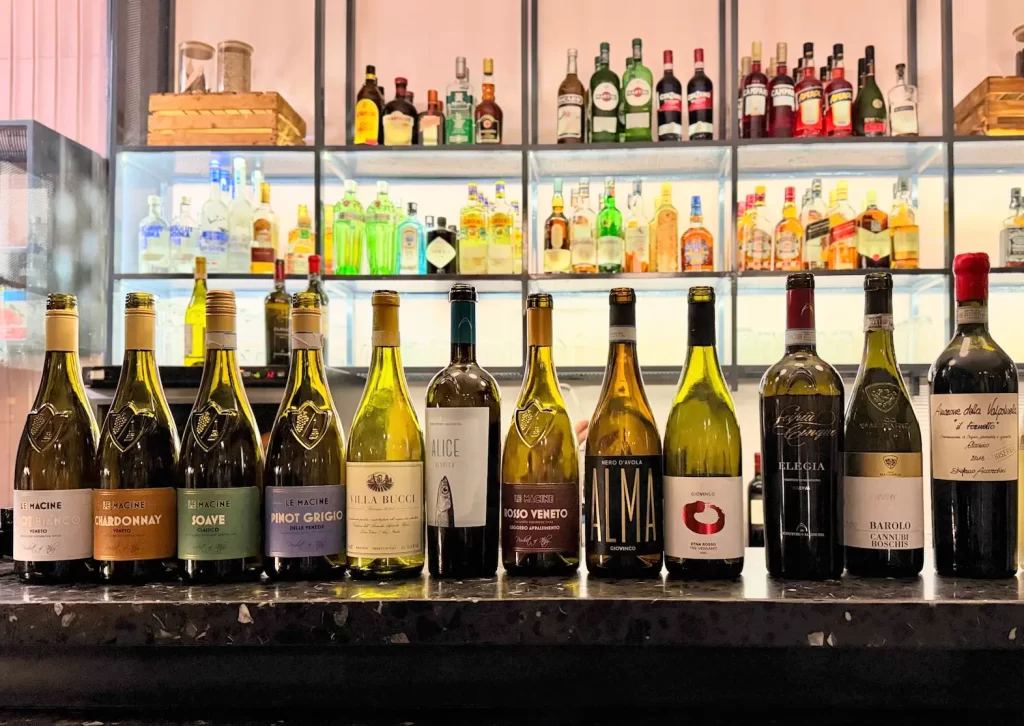
The tasting began with a selection from Veneto, a region that produces everything from approachable whites to some of Italy’s most powerful reds. The La Macine range included Pinot Bianco 2024, Chardonnay 2024, Soave 2024 and Pinot Grigio 2024 and an appassimento (grapes partially dried prior to vinification) method Rosso Veneto.
What made this selection interesting was its emphasis on the Gambellara region and its volcanic soils, which explains the wines’ distinctively mineral character. Soave, made from Garganega, is particularly worth exploring. It offers an alternative to the ubiquitous international white grapes, with citrus and pineapple notes alongside a fresh, mineral profile.
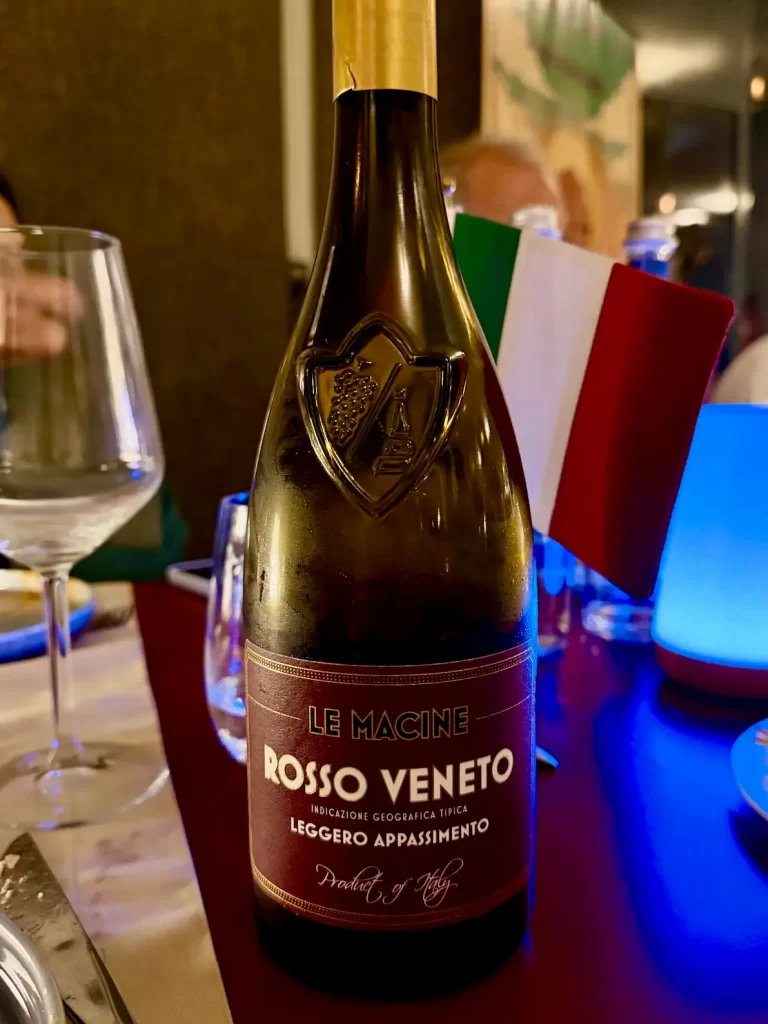
Le Macine Rosso Veneto 2021, a blend of Corvina and Merlot, brought a different dimension to the tasting. In my opinion, the blend could well be called as a “Super Venetian” in the same way as Super Tuscans are recognised worldwide.
Matteo informed that 50% of each grape variety for this wine are dried, hence contributing ripe berry fruit and spice. Moreover, they clamp two branches in each wine together, for retaining high acidity while concentrating the sugars in the others. The technique gives a good balance of acidity and ripeness to make a balanced wine with an intense character.
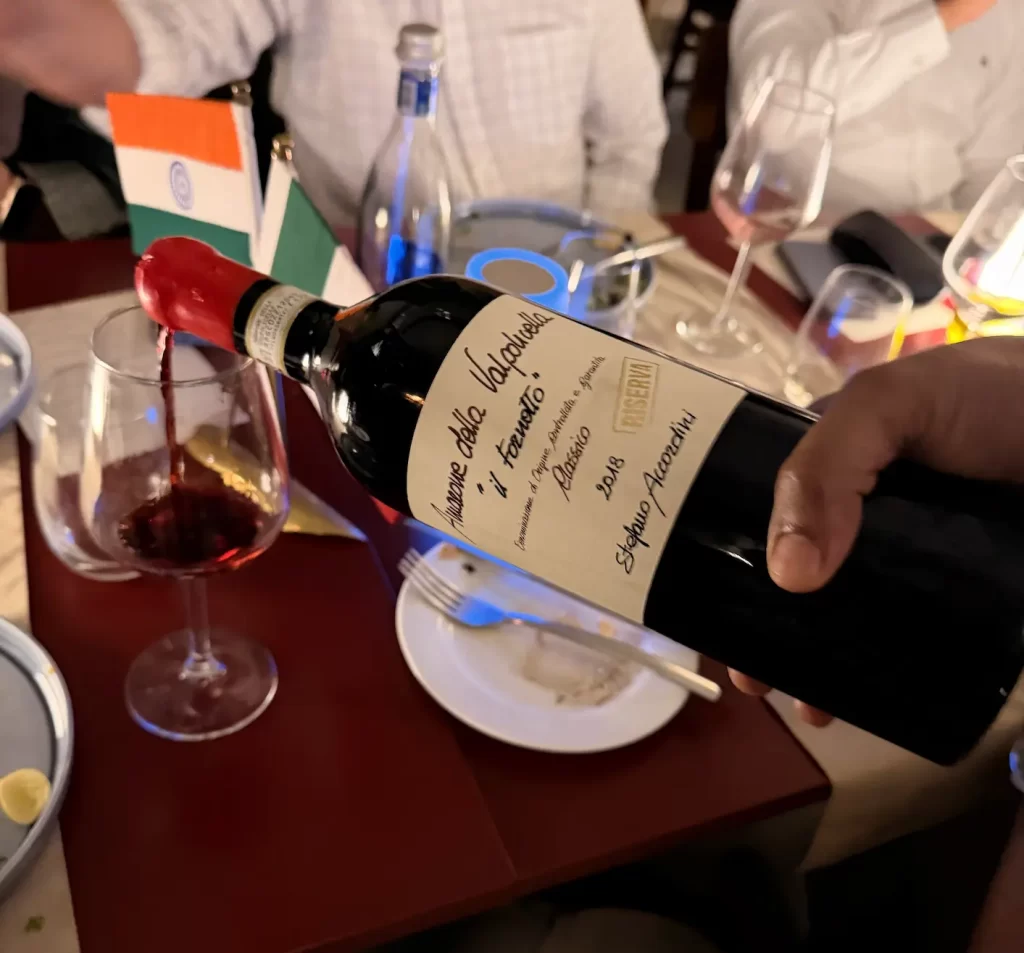
At an even denser end of the spectrum was the wine Stefano Accordini Il Fornetto Amarone della Valpolicella Classico 2018. Famously made using the appassimento method, Amarone is a wine built around richness, intensity and ripe fruit. This particular wine also retained a remarkable approachability with its supple tannins and mouth filling complexity. At 16.5% alcohol, the wine was a reminder that Amarone is a style for those who love concentration and power.
Also Read: VINITALY INDIA ROADSHOW BUILDS UP MOMENTUM FOR VINITALY 2025
Puglia: Discovering Verdeca
One of the most interesting wines for me was Alice Verdeca 2025 IGT Salento. Verdeca is a local white grape that remains far less familiar to Indian consumers than Pinot Grigio or Chardonnay.
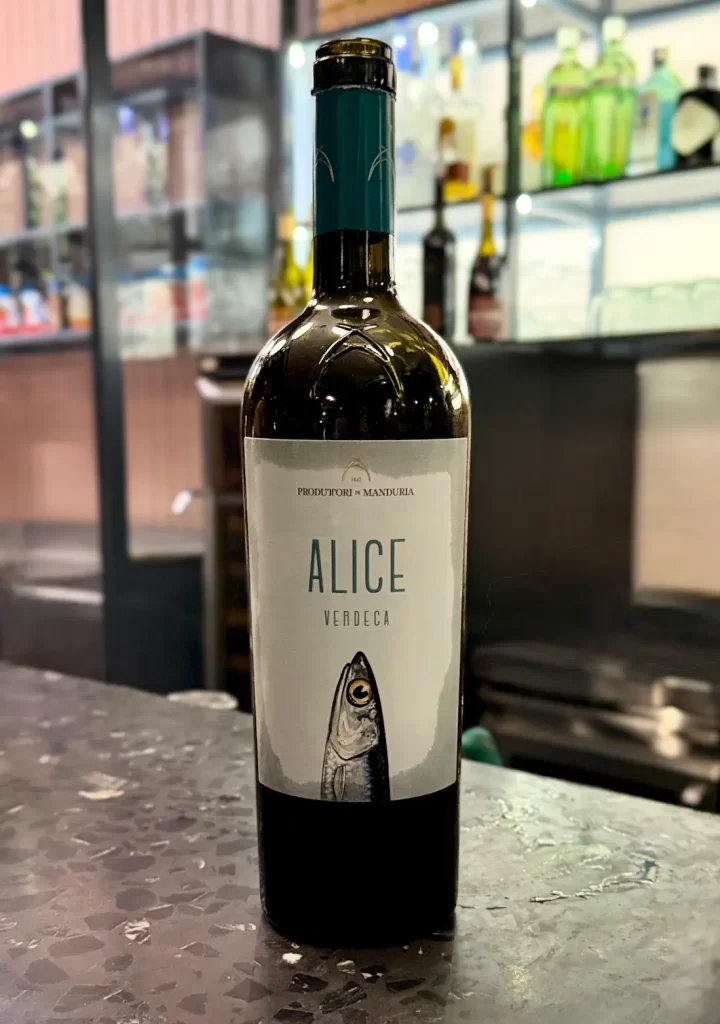
The producer’s notes describe aromas of hawthorn, acacia, cedar and yellow grapefruit, supported by mineral and saline characteristics. Most certainly, I could pick up the wine’s herbaceous, citrus notes, and its distinctive minerality. This is the kind of wine that could appeal to consumers looking for a fresh, food-friendly white without simply choosing another international variety.
Puglia is often associated with generous, fruit-forward reds, particularly Primitivo. The tasting offered a chance to look beyond that reputation, showing how indigenous white grapes can help tell a more varied story about southern Italy.
Marche: Verdicchio makes its case
Villa Bucci Verdicchio Castelli di Jesi Riserva DOCG 2021 was another highlight. Verdicchio deserves greater recognition among Indian wine drinkers, especially those who enjoy whites with freshness, texture and the ability to develop with age.
Villa Bucci has played an important role in establishing Verdicchio’s reputation. The estate’s Riserva is made from old vines and matured for at least 18 months in large, old barrels. The producer describes notes of anise, yellow peach and almond, leading to a savoury palate and a persistent finish.
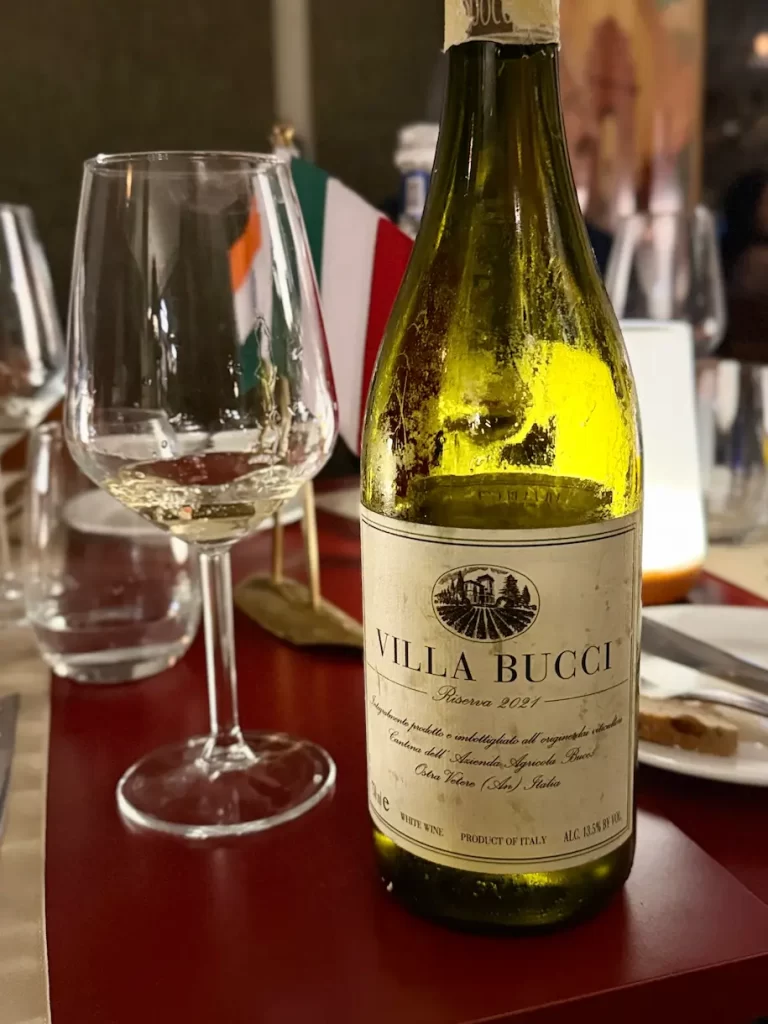
This is not simply a wine to drink young for its fruit. It illustrates how an indigenous Italian white grape can offer complexity and ageing potential. For importers and restaurants, Verdicchio could provide an engaging alternative for diners who want to move beyond the more widely known varietal wines like Sauvignon Blanc, Chardonnay, Pinot Grigio etc.
Sicily: From Nero d’Avola to the slopes of Etna
Sicily presented another side of Italian wine, with Giovinco Nero d’Avola Sambuca di Sicilia DOC, Giovinco Alma Nero d’Avola and Giovinco Etna Rosso Tre Versanti DOC on the tasting list.
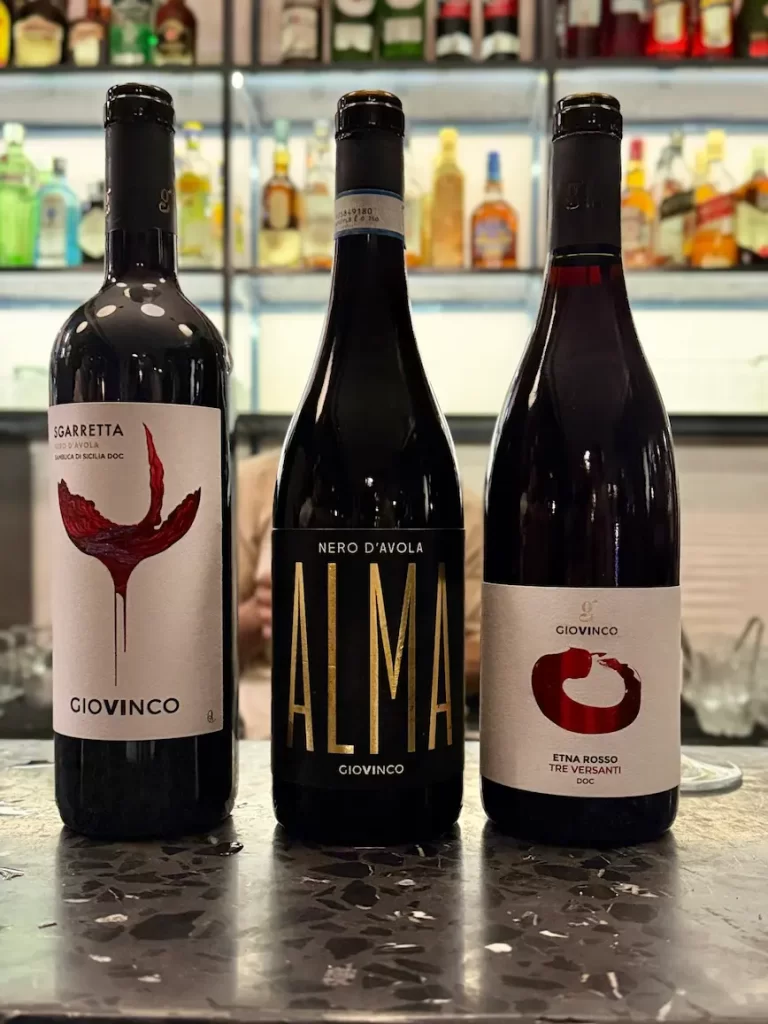
Nero d’Avola is one of Sicily’s signature red grapes, known for its ripe fruit and generous character. The Giovinco wines offered an opportunity to explore different expressions of the variety, while the Etna Rosso brought the conversation to the island’s volcanic wine country.
Etna has attracted considerable attention among wine enthusiasts for its high-altitude vineyards and volcanic terrain. Its reds, typically based on Nerelo Mascalese and Nero d’Avola, can offer a different profile from the richer, fruit-led wines associated with much of southern Italy. For Indian importers, Sicily is a region worth exploring more deeply, especially with the Indian consumers becoming more open to trying out a wider range of international wines.
Piedmont: The prestige of Barolo
Going up north again to Piedmont. Pico Maccario Vigna Cannubi Barolo DOCG 2022 was a particularly noteworthy inclusion. Made from Nebbiolo, Barolo is renowned for its combination of structure, aromatic complexity and capacity to age.
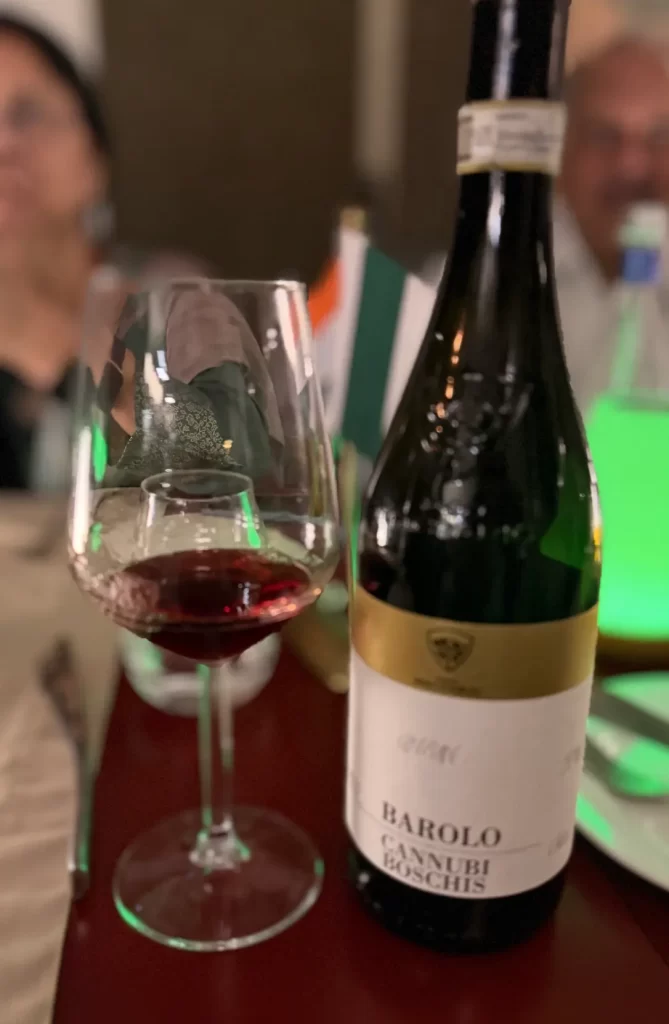
Cannubi is one of Barolo’s best-known vineyard names, and this wine had ripe red fruit, floral and spicy aromas. Matteo informed that only about 3,500 bottles of this wine are produced annually, which makes it highly exclusive.
Barolo occupies a premium position in the global wine market, and is well known among wine lovers in India too. However, its premium placement in India make it better suited to specialist wine lists and informed consumers than to the entry-level market. Nevertheless, wines like this can help build an importer’s reputation for quality and give experienced wine drinkers something to aspire to.
Puglia again: Primitivo’s richer side
The tasting also featured two wines from Produttori di Manduria viz. Elegia Primitivo di Manduria Riserva 2021 and Primitivo di Manduria DOC 2023.
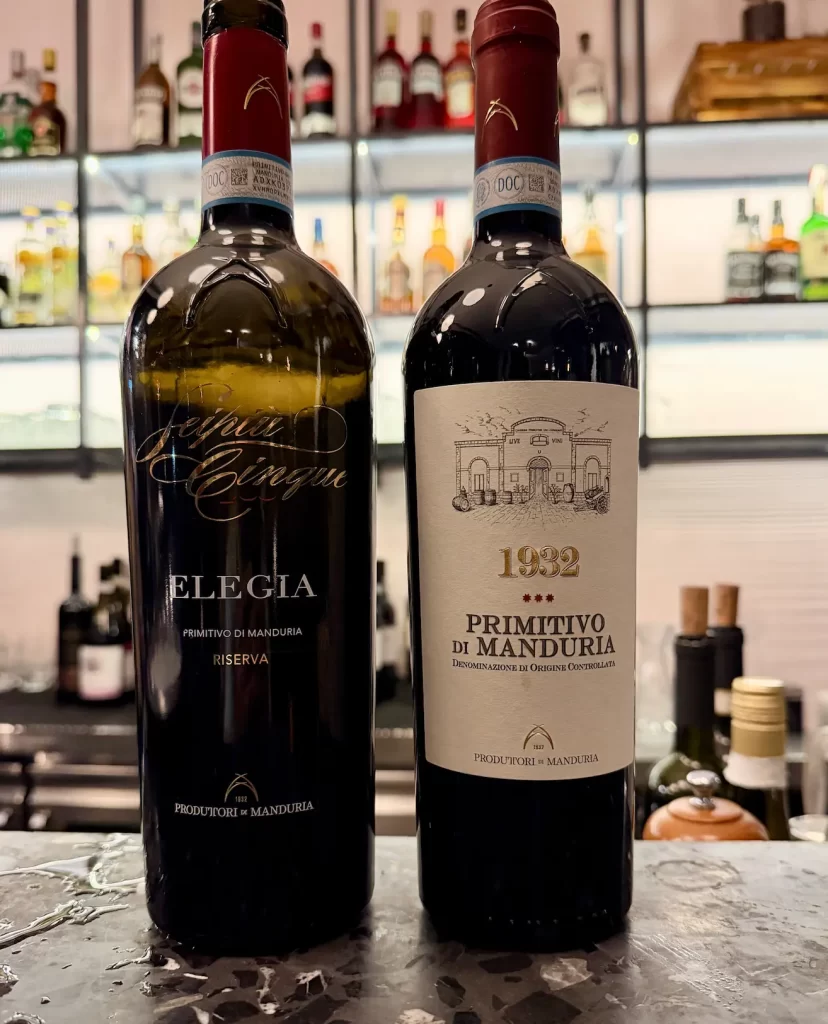
Primitivo’s usual ripe dark-fruit flavours, fuller body and generous texture can appeal to drinkers who enjoy robust reds. Both the wines expressed a clear regional identity with different levels of complexity. Elegia, that is matured for 12 months in French oak, offered a more developed expression, with blackberries, plums, spice and notes of leather and toasted almond.
Food, wine and the Indian opportunity
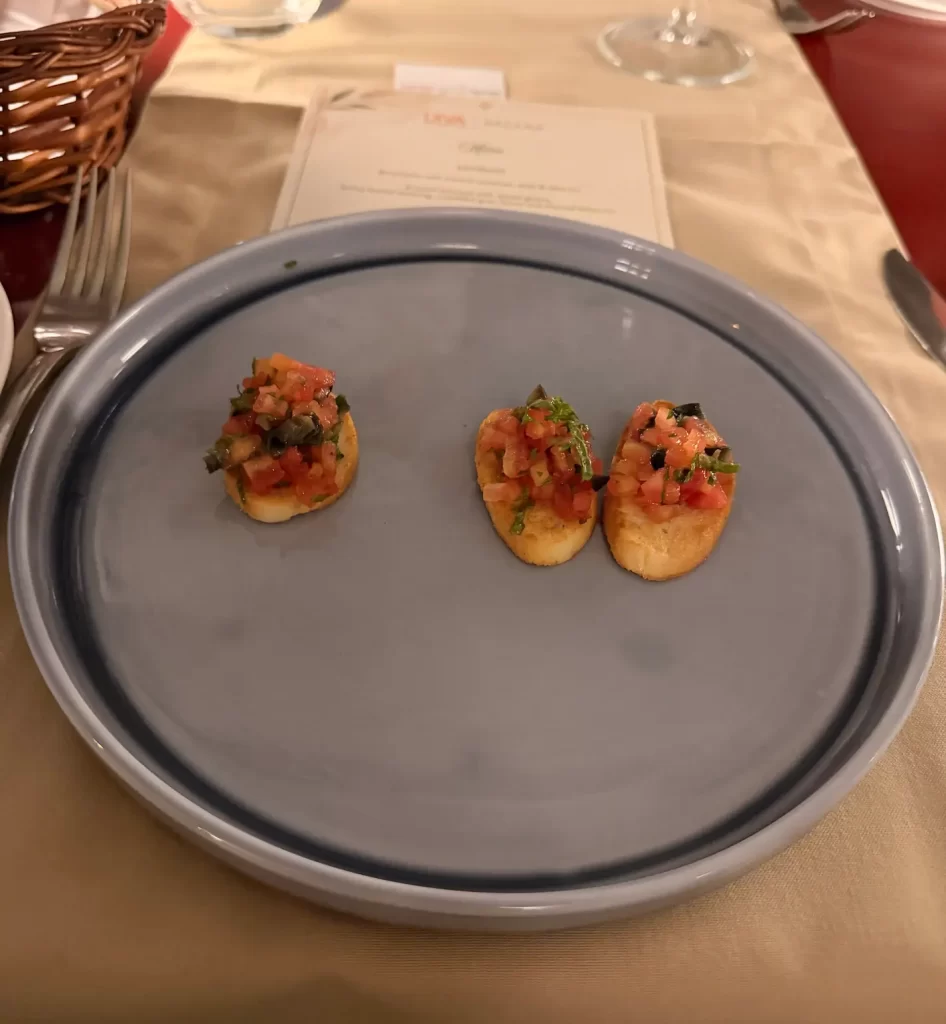
The wines were served alongside a functional menu from DIVA, an acclaimed restaurant located within the premises of the Italian Cultural Centre. The meal moved from bruschetta and roasted beetroot through tortelli filled with smoked eggplant to a choice of John Dory or vegetable risotto, followed by panna cotta. It provided a relaxed setting in which to experience the wines in a food context rather than as isolated tasting samples.
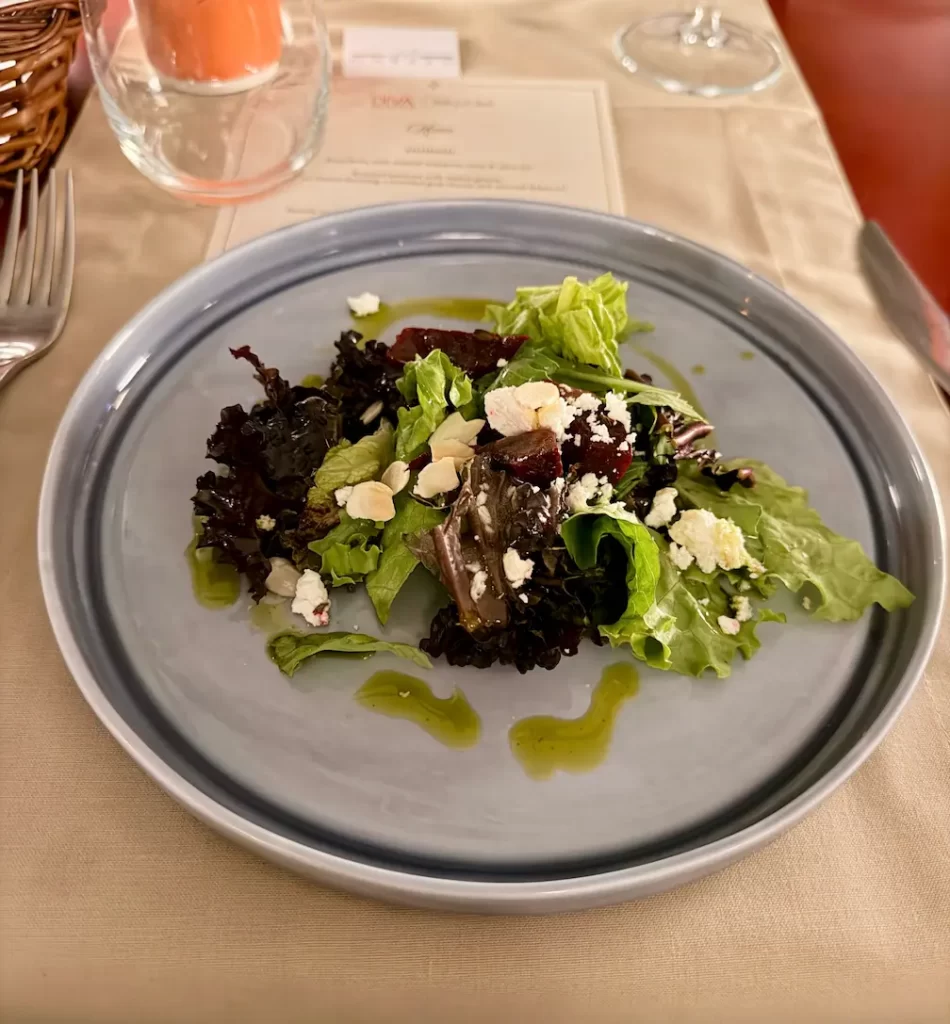
honey lemon dressing, crumbled goat cheese and almond flakes
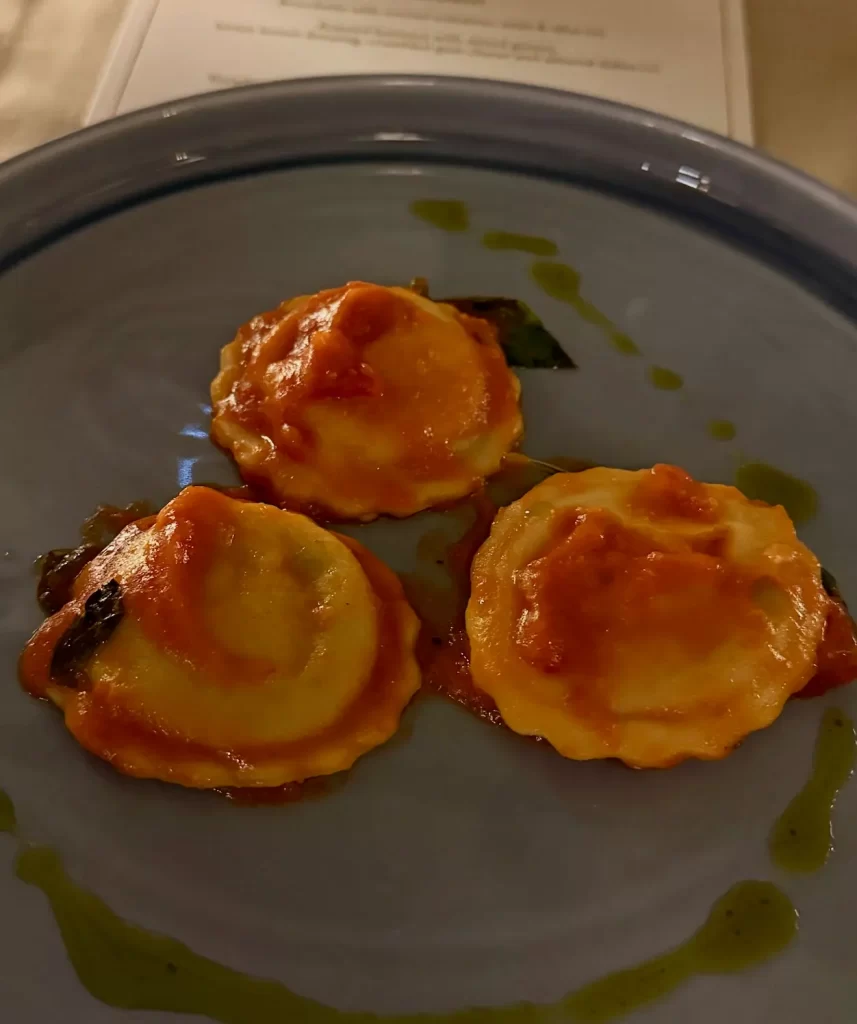
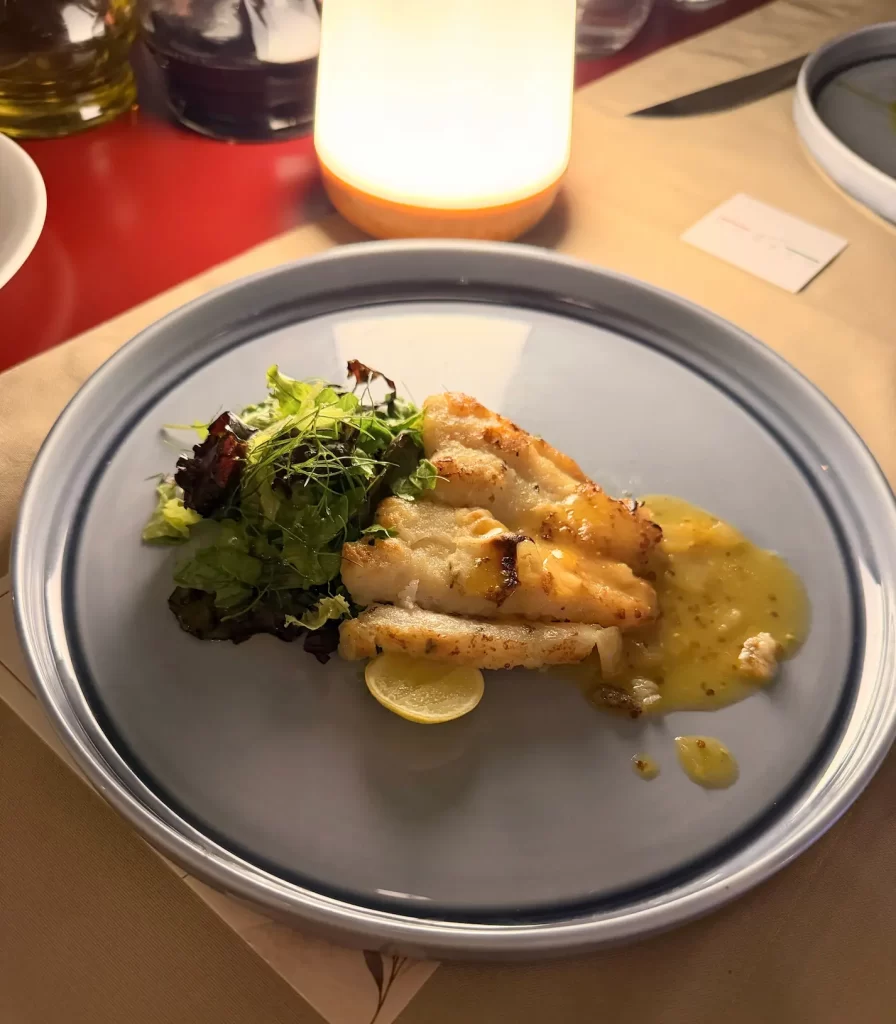
For India, the showcase underlined the potential to diversify wine portfolios to meet the evolving tastes of an increasingly knowledgeable consumer base. Premium wines such as Amarone and Barolo, along with wines made from lesser-known indigenous grape varieties, are already available in India and have their own loyal following. The opportunity lies in giving these wines greater visibility through focused showcases and targeted engagement with the right consumer segments.
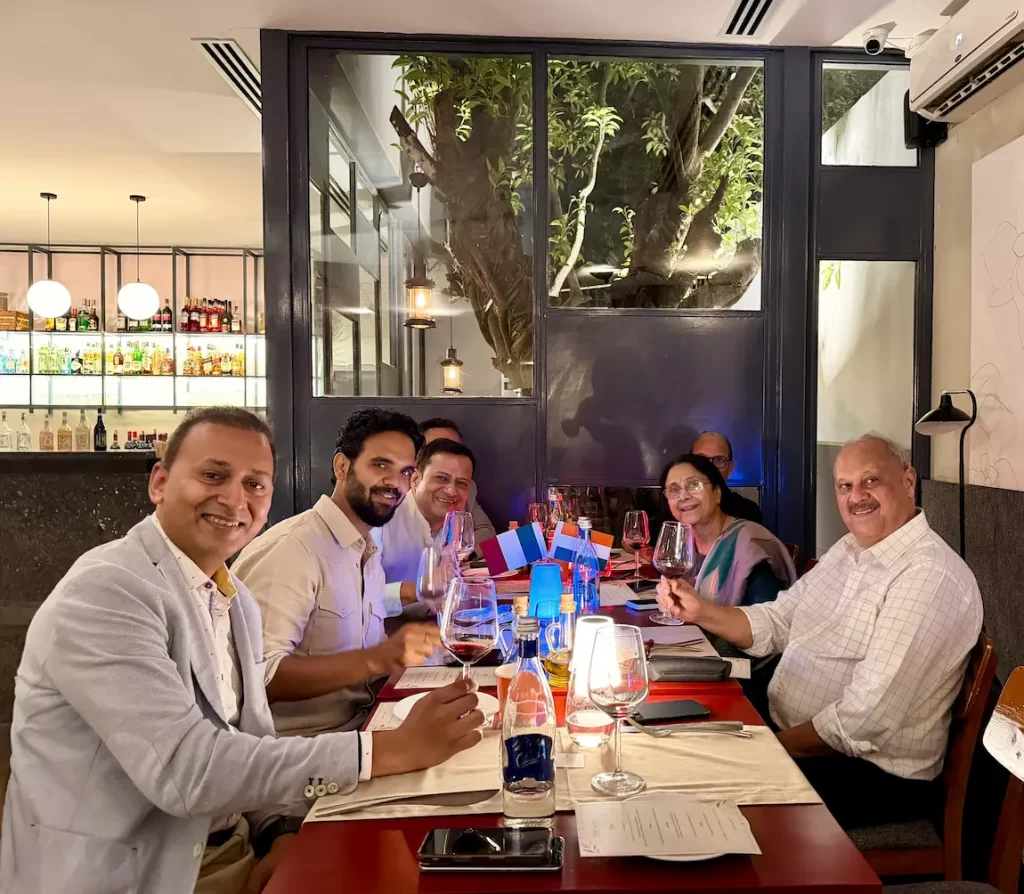
The challenge remains affordability, import duties, distribution and consumer awareness, though the recently concluded EU-India Free Trade Agreement does make things better for business. Nevertheless, introducing an unfamiliar grape requires more than placing a bottle on a shelf- it calls for staff training, tasting opportunities and simple, engaging explanations of what makes the wine different.
The New Delhi showcase by Ozzano Selection was a welcome demonstration of the range Italy has to offer. For Indian wine lovers, the next exciting discovery may not be another familiar label, but a grape or region they have yet to encounter.