


The Rhône Valley
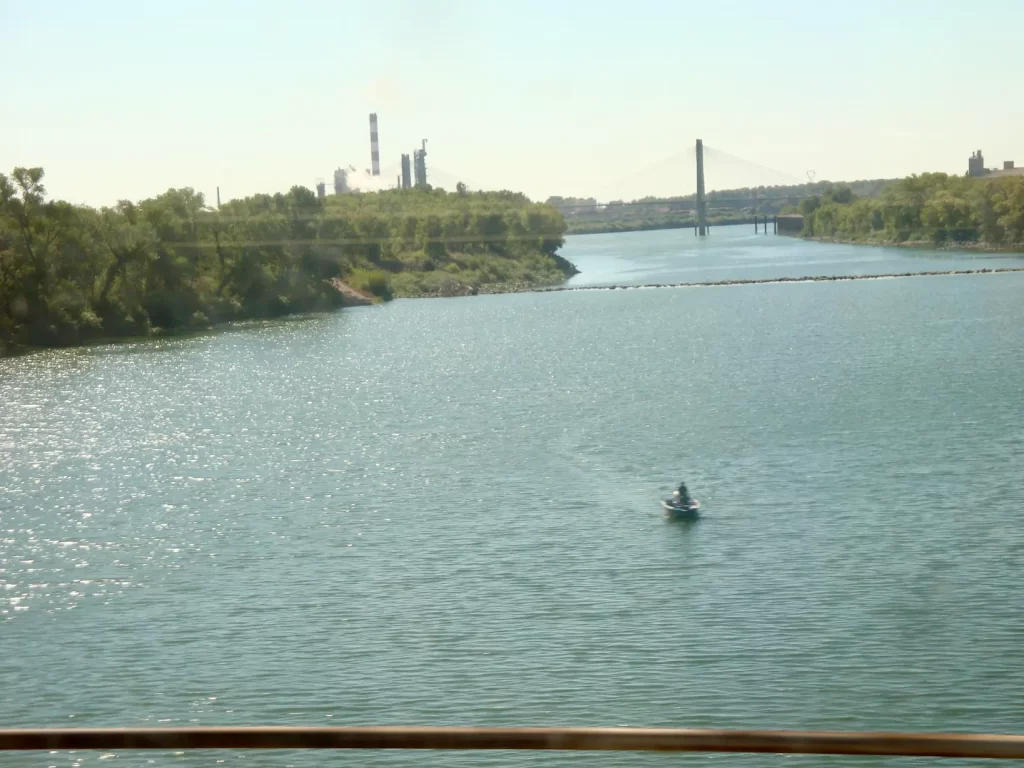
After several memorable days exploring Bordeaux, my journey through France’s great wine regions continued southward towards the Rhône Valley. I boarded a TGV from Bordeaux Saint-Jean station bound for Marseille, traversing some of southern France’s most picturesque landscapes. The route passed through Toulouse and the medieval city of Carcassonne, whose imposing fortified walls could be glimpsed from the train before the scenery gradually transformed into the sun-drenched terrain of Provence.
Making the most of the journey
My onward bus connection to Aix-en-Provence was scheduled nearly six hours later, providing an unexpected opportunity to spend time in Marseille. After depositing my luggage at the station, I ventured into France’s oldest city, strolling around the bustling Vieux-Port and even taking a ferry for a brief trip of Île de Frioul- an archipelago with four islands located off the Mediterranean coast approximately 4 kilometres from Marseille.


As evening approached, I travelled to Aix-en-Provence and spent the night in this elegant Provençal city. With its tree-lined boulevards, sandstone buildings, lively cafés and relaxed pace of life, Aix proved to be an ideal introduction to southern France.
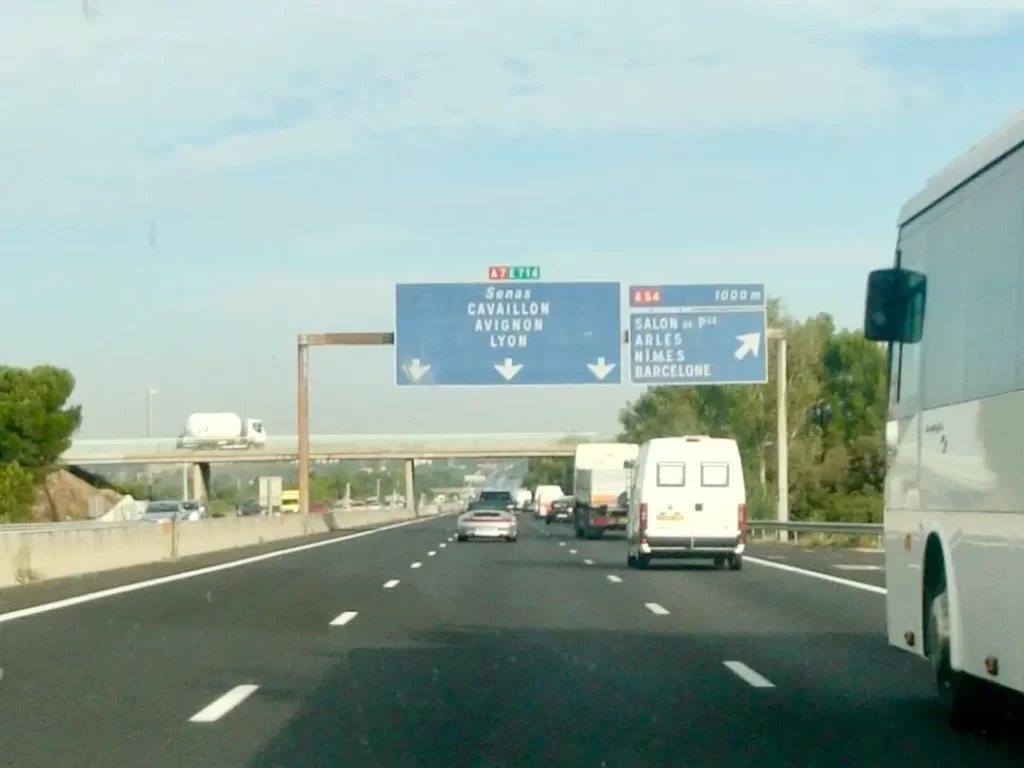
The following morning, my friend Laurent Piaton arrived to pick me up from the hotel, and together we set off towards the southern Rhône Valley. Our route followed the Autoroute A7, often referred to as the “Autoroute du Soleil” or Highway of the Sun, one of France’s most famous roadways linking Provence with the Rhône corridor. The drive northward was a delight. Endless rows of vineyards alternated with olive groves and lavender fields, while the characteristic Provençal light illuminated the countryside. As we approached Avignon and Orange, the landscape increasingly revealed its intimate connection with wine.
Rhône wineries of different scale
Our first stop was the cooperative winery Vignerons Laudun-Chusclan. Arriving shortly after harvest, we witnessed a fascinating scene of activity. Tractor-drawn trolleys laden with freshly harvested grapes queued outside the facility, where the fruit was being unloaded and directed for processing. The scale of operations was impressive.with a humungous range of wines that offered excellent value, competing effectively with similarly styled wines from the New World. Watching the continuous stream of fruit arriving from growers across the region offered a vivid lesson in the cooperative model that remains an important part of French viticulture.


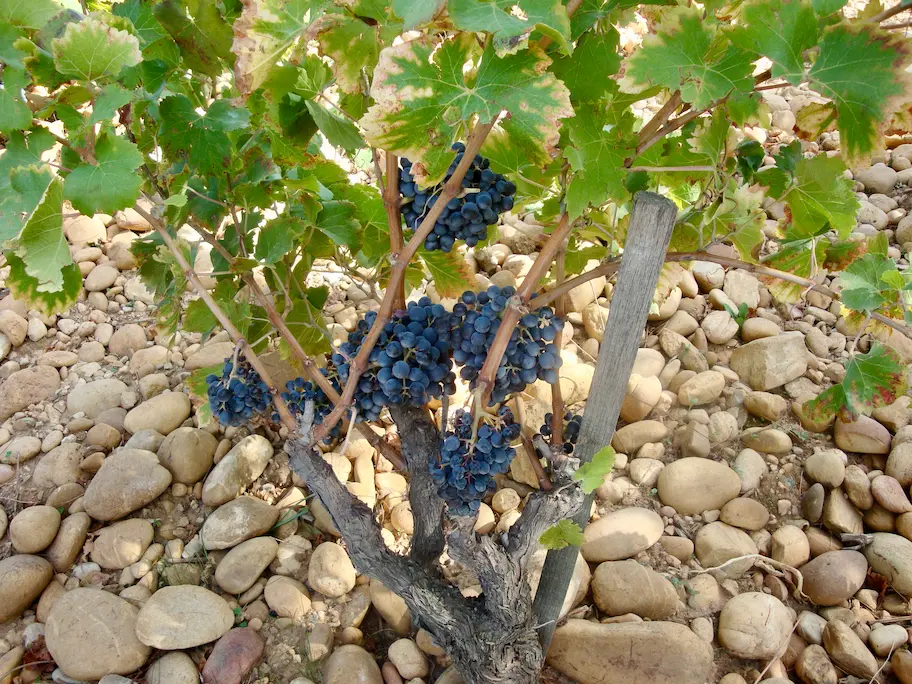
From there, we proceeded to one of the Rhône Valley’s most celebrated estates, Château de Beaucastel in Châteauneuf-du-Pape. Harvest activity was still underway, and grape sorting operations were in full swing. Equally memorable was my first close encounter with the famous galets roulés — the large rounded stones that blanket many vineyards in the appellation. Having read about these stones for years, seeing them firsthand brought to life their role in reflecting and storing heat, contributing to the distinctive character of Châteauneuf-du-Pape wines.


While in Châteauneuf-du-Pape, we also visited Domaine Le Pointu, where owner/winemaker Patrick Coste personally guided us through his winery. It was a rare privilege to witness every stage of production at such close quarters. From the arrival of freshly harvested grapes from the vineyards to their unloading, sorting and movement towards fermentation, the experience provided an intimate understanding of how these renowned wines begin their journey.


A well timed wine trip
The Rhône Valley left a lasting impression on me. Few regions combine such diversity of terroirs, grape varieties and winemaking traditions while maintaining a strong sense of identity. From the cooperative wineries of Laudun-Chusclan to the iconic estates of Châteauneuf-du-Pape, the region reflects both tradition and innovation.
I was particularly fortunate to visit during and immediately after harvest, when vineyards, wineries and growers were at their most active. It was a unique opportunity to witness the pulse of the Rhône Valley at its most authentic — a season when the year’s work converges into the creation of another vintage and when the true spirit of the region is most vividly revealed.