

In today’s context, it would be far too dismissive to call wine a nascent category in India. Over the past two decades, the segment has grown at an estimated 12–15% annually, fuelled by an expanding urban consumer base and a greater exposure to global drinking culture. While there may have been a temporary slowdown, the continued engagement of global wine-producing countries with India reflects enduring confidence in the market. One such recent engagement I attended was hosted by the California Wine Institute, which has been steadily investing in wine education and promotions across key cities in India.
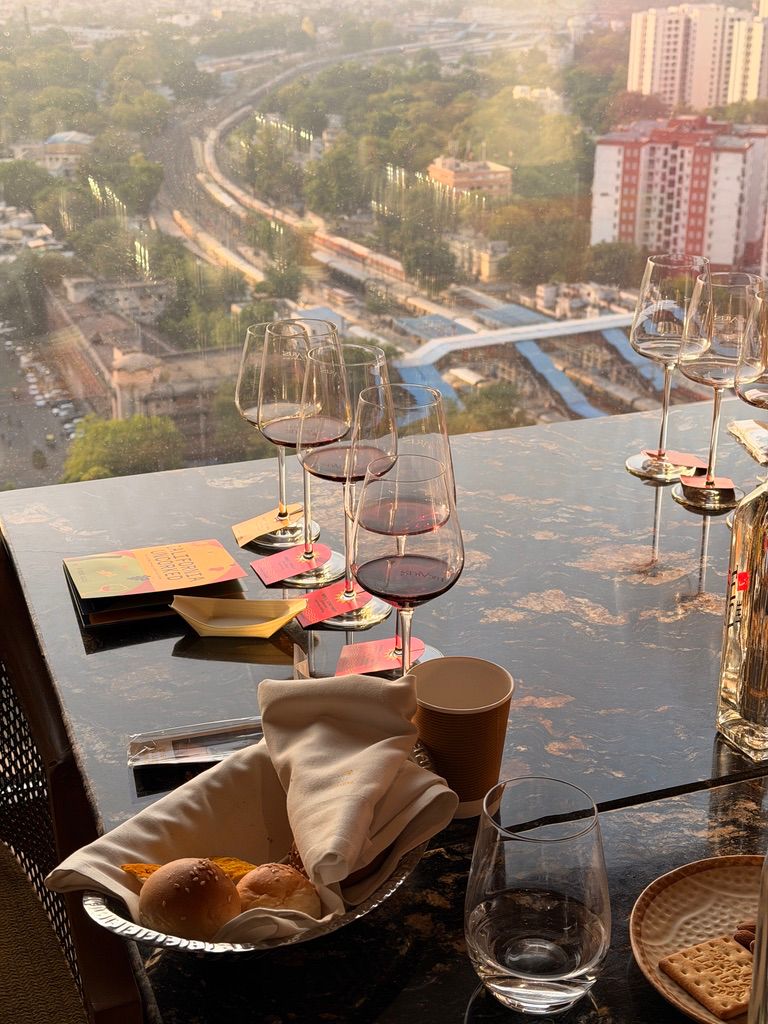
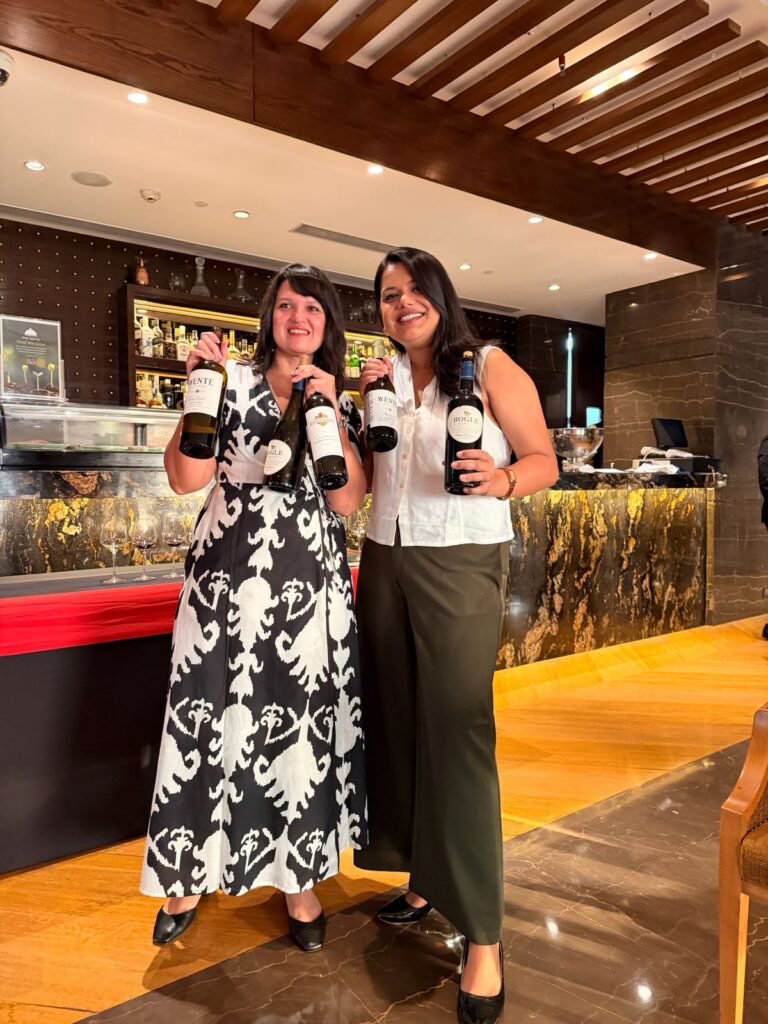
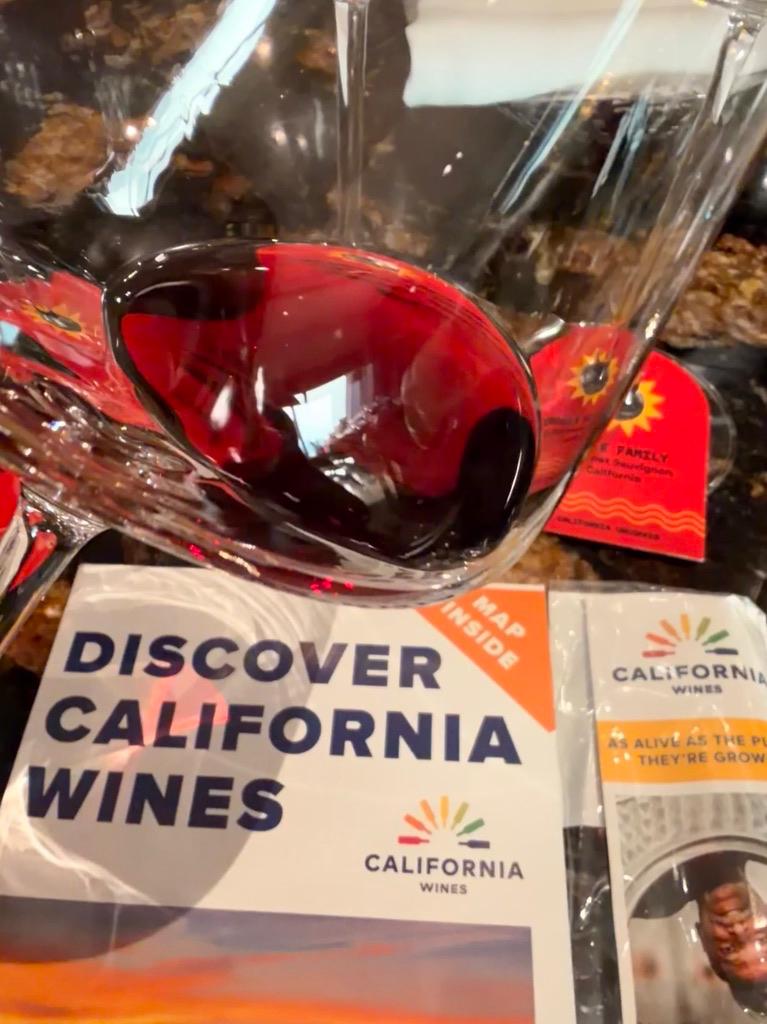
The latest tasting, led by sommeliers Devati Mallik and Gargi Kothari at The Lalit, New Delhi, offered a concise yet insightful glimpse into California’s diversity. Featuring five wines, the lineup was thoughtfully curated to highlight not just varietal character but also regional nuance—something California does particularly well. A well-designed tasting guide, along with a map of Californian wine regions, ensured the trade audience was well-equipped to engage meaningfully with the wines.
Also Read: Welcome to the Vino California
Setting the Context: California Beyond the Stereotype
Often associated with bold, fruit-forward wines, California is far more layered. From the cooler Central Coast to the warmer inland valleys and the diverse North Coast, the state produces wines that can range from crisp and restrained to opulent and structured. This tasting was a neat reminder of that spectrum.
Prices indicated: Ex Delhi (unless indicated otherwise)
Wente Morning Fog Chardonnay (Central Coast)
₹ 3800
We began with a Chardonnay from Wente Vineyards—one of California’s historic producers, established in 1883 and credited with shaping the state’s Chardonnay legacy .
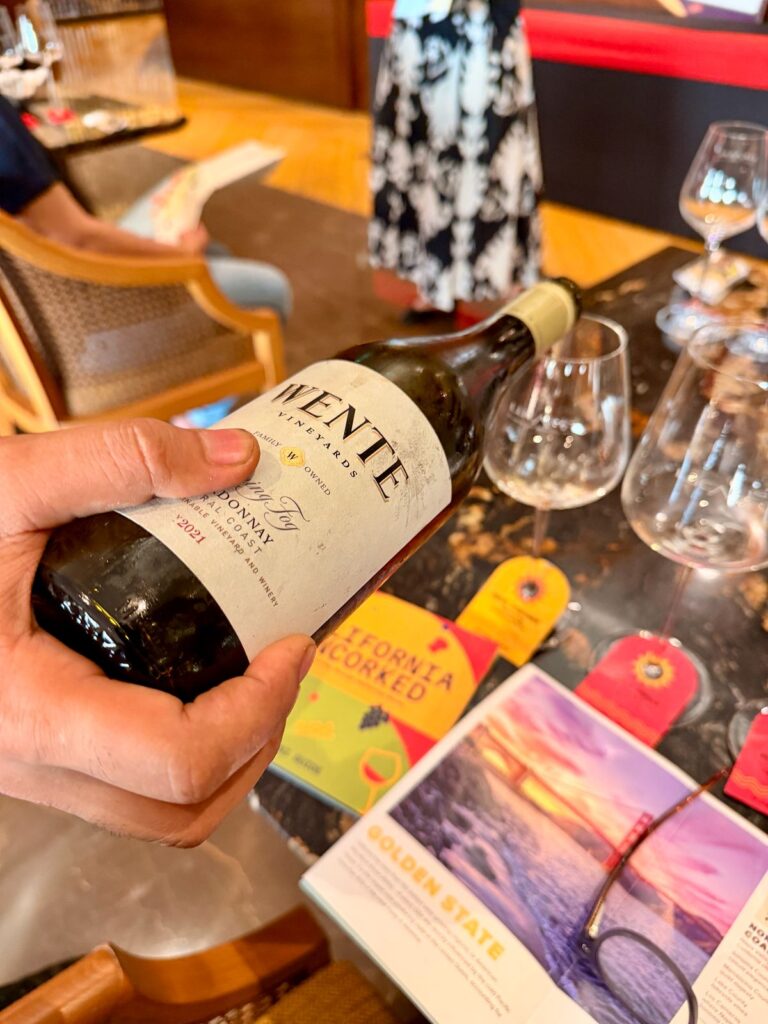
In the glass, the wine showed a bright golden hue. The nose was inviting, with notes of ripe apple, citrus peel, and a gentle hint of vanilla. On the palate, it struck a nice balance—there was a soft creaminess, evidently from partial barrel ageing and stirring-in the lees, but it was kept in check by a fresh, fruit-driven acidity. The wine was a good expression of a “modern classic” California Chardonnay—approachable yet layered.
Bogle Pinot Noir 2021 (Sonoma, Clarksburg, Lodi)
₹ 4000
Moving to reds, the Bogle Pinot Noir offered a softer, more delicate expression compared to what one might expect from California. Bogle Family Vineyards, rooted in Clarksburg since the 1960s, have built a reputation for crafting wines that balance tradition with accessibility .
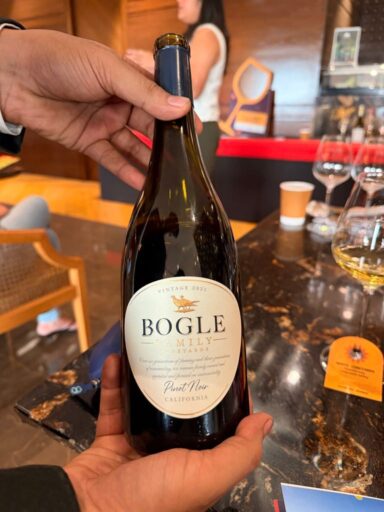
The wine opened with aromas of ripe red berries and a hint of spice. On the palate, it was medium-bodied with smooth tannins and a silky texture. There was a gentle oak influence, but nothing intrusive. The finish was clean, supported by a refreshing acidity that kept the wine lively. An approachable wine that you can enjoy on its own or with light food like a Caprese salad.
Also Read: A Duckhorn Masterclass in New Delhi
Wente Beyer Ranch Zinfandel (Livermore Valley)
₹ 4100
Zinfandel is often seen as California’s heritage grape, and this example from Wente’s Beyer Ranch did not disappoint.
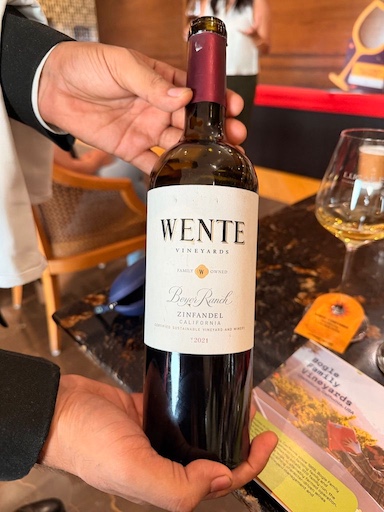
Deep ruby in colour, the wine was immediately expressive on the nose—dark berries, blackberry compote, and a bold touch of spice. On the palate, it was full-bodied with a plush mouthfeel. The tannins were smooth, and the fruit was rich without becoming jammy. This is the kind of Zinfandel that pairs beautifully with robust, spice-forward dishes—something quite relevant for Indian tables.
Bogle Cabernet Sauvignon 2021 (Clarksburg) and Kendall-Jackson Vintner’s Reserve Cabernet Sauvignon (North Coast)
Bogle Cabernet Sauvignon- ₹ 4000
Kendall-Jackson Vintner’s Reserve Cabernet Sauvignon- ₹ 7500 (Ex Mumbai)
The next two wines were tasted side by side to emphasize the contrast between two distinctive Cabernet styles. Bogle Cabernet Sauvignon is a 100% Cabernet Sauvignon and Kendall-Jackson Vintner’s Reserve a Cabernet Sauvignon predominant blend. It is noteworthy that as per the American wine laws, a minimum of 75% of the main varietal must be included in a blend for labelling it as a varietal wine.
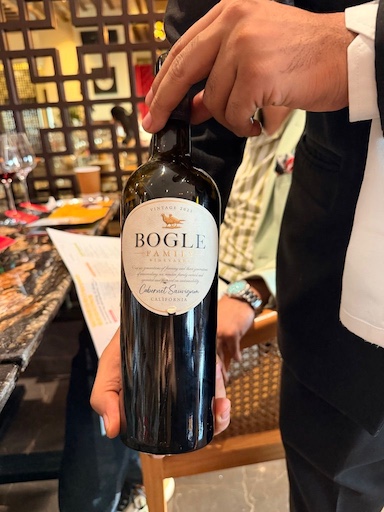
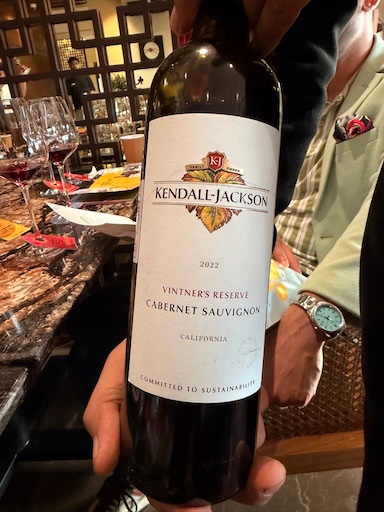
While the Bogle’s 100% Cabernet Sauvignon leaned towards a balanced, crowd-friendly style, Kendall-Jackson Vintner’s Reserve (83% Cabernet Sauvignon, 9% Merlot, 3% Petit Verdot, 2% Malbec) was fuller bodied, layered and typically identifiable as a classic Californian Cab.
Tasting to the tee
What stood out across the tasting was not just the quality of the wines, but the clarity of expression. Each wine did exactly what it was meant to—no more, no less. There was a sense of purpose in the selection, highlighting California’s ability to cater to a wide spectrum of palates without losing identity.
For the Indian market, this is particularly relevant. As consumers move beyond entry-level wines and begin exploring styles and regions, tastings like these play a crucial role in building understanding. The presence of structured programs and consistent engagement from bodies like the California Wine Institute only strengthens this ecosystem.