

There was a time when every conversation about Indian wine began with the disclaimer that the industry was still “nascent.” That description has faded overtime with Indian producers no longer trying to prove themselves. Instead they are striving to carve out a distinctive identity for India in the world of wine. A testament to this is several Indian wines being awarded with top honours on the global stage, and it is only natural that this bar is progressively raised. Grover Zampa Vineyards (GZV) Signet range of wines is perhaps one of the good examples of this evolution.
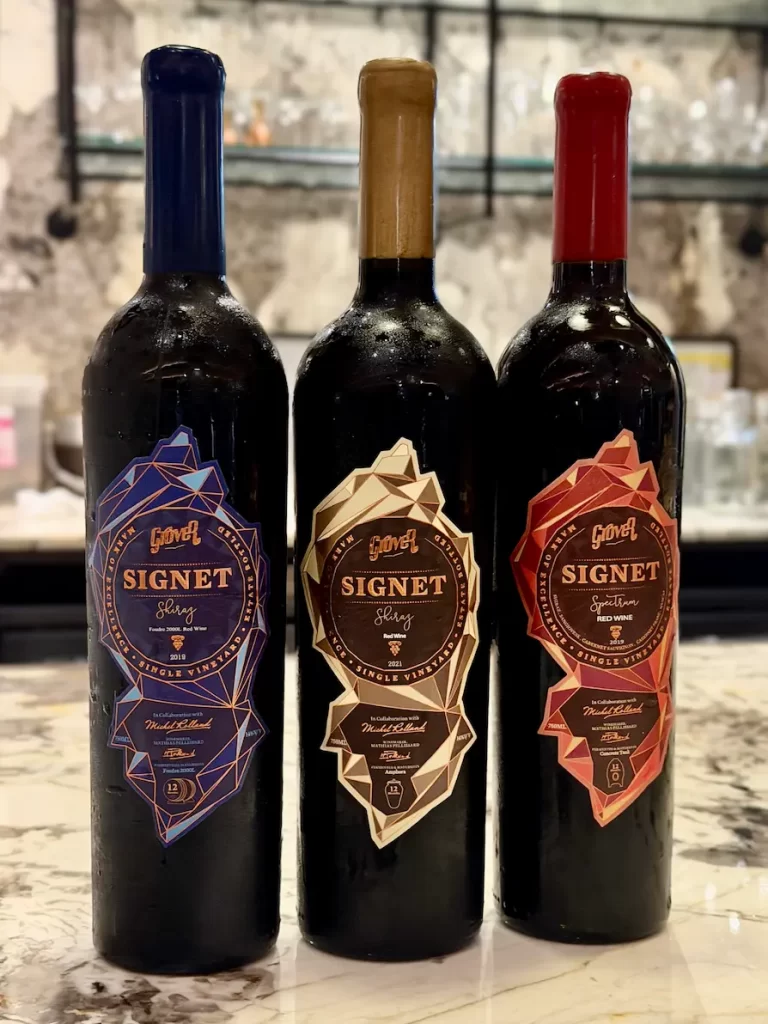
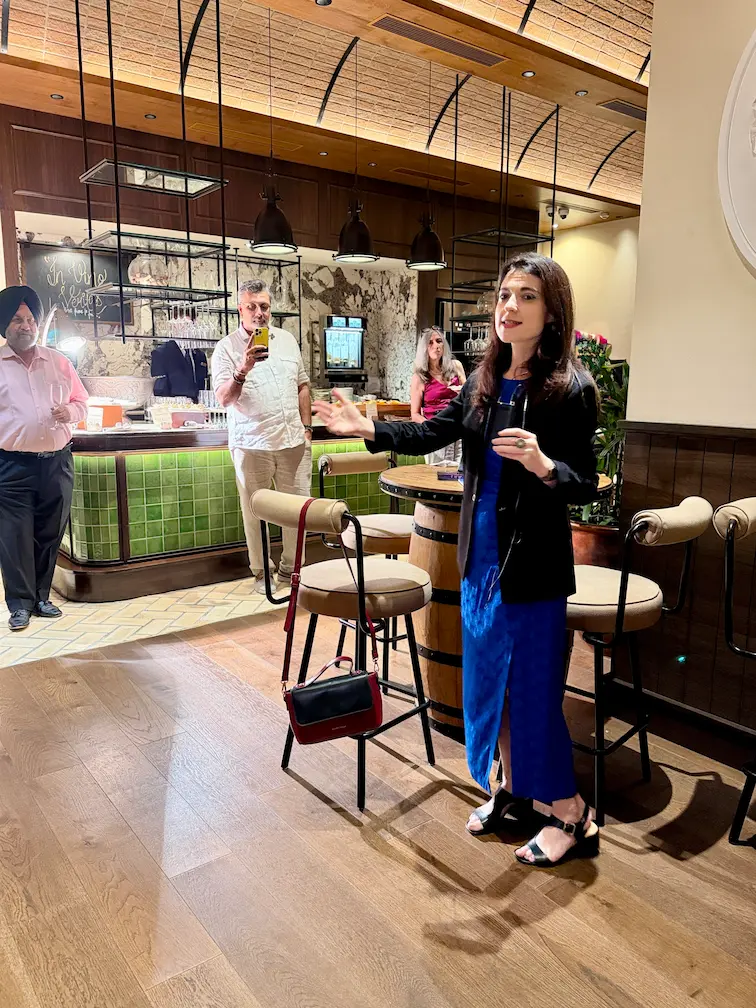
The Signet collection comprises four single-vineyard Shiraz expressions and one distinctive multi-varietal blend, each matured in a different vessel. Having first debuted in Mumbai and Bengaluru a few years ago, three of these wines- Foudre 2000L, Amphora and Concrete Tank (Spectrum)- have now been introduced to the Delhi market. At a guided tasting hosted by Manuela Lo Conte, Brand Ambassador, Grover Zampa Vineyards, at The Taj Mahal Hotel, New Delhi, guests explored these three expressions. The remaining two wines in the collection- Foudre 1000L and Oak (225L Barrique)- were not part of the Delhi launch.
Also read: Grover Zampa Vineyards celebrate 25 years of winemaking
The Signet Philosophy
At the heart of the Signet project lies the belief that the vessel is not merely a container but an active participant in the evolution of wine.
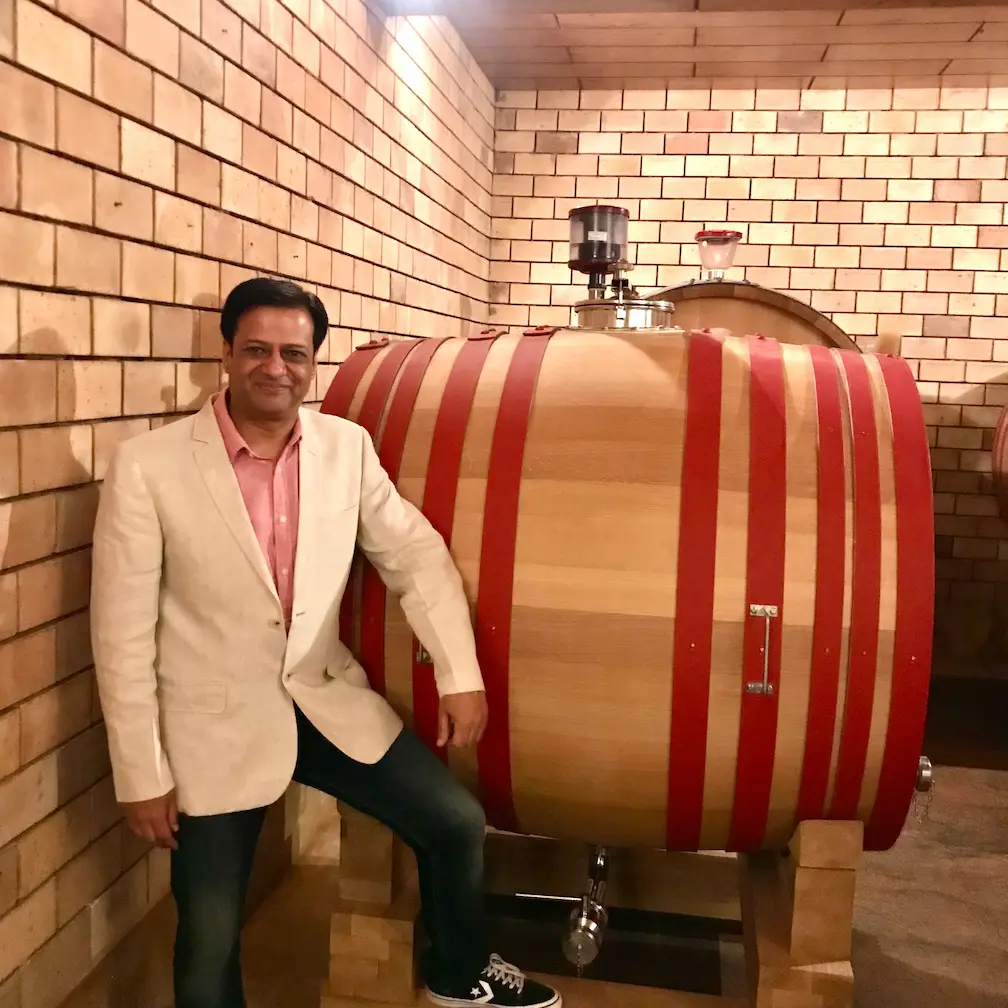
Rather than relying solely on conventional oak barrels, the Grover winemaking team has experimented with vessels that encourage different rates of oxygen exchange while influencing tannin evolution in unique ways. Large French oak foudres, terracotta amphorae and concrete tanks each impart their own signature- not necessarily through flavour, but through texture, structure and the way the fruit develops over time. I had witnessed first hand, GZV’s early efforts in these different maturation techniques in 2019 when I visited their winery in Nandi Hills, Bangalore.
Another notable aspect about Signet wines is that they remain unfiltered, preserving texture and allowing each maturation method to express itself with minimal intervention.
Interestingly, Grover has long had a flagship wine in its portfolio in the form of Insignia, a celebrated single-vineyard Shiraz known for showcasing vineyard pedigree and barrel maturation. Signet, however, represents a different philosophy altogether. Here, the focus shifts away from producing a singular prestige label to exploring how different maturation vessels can transform the same fruit into remarkably different wines. It is experimentation with purpose rather than prestige for its own sake.
The Wines at New Delhi Launch
Signet Foudre 2000L
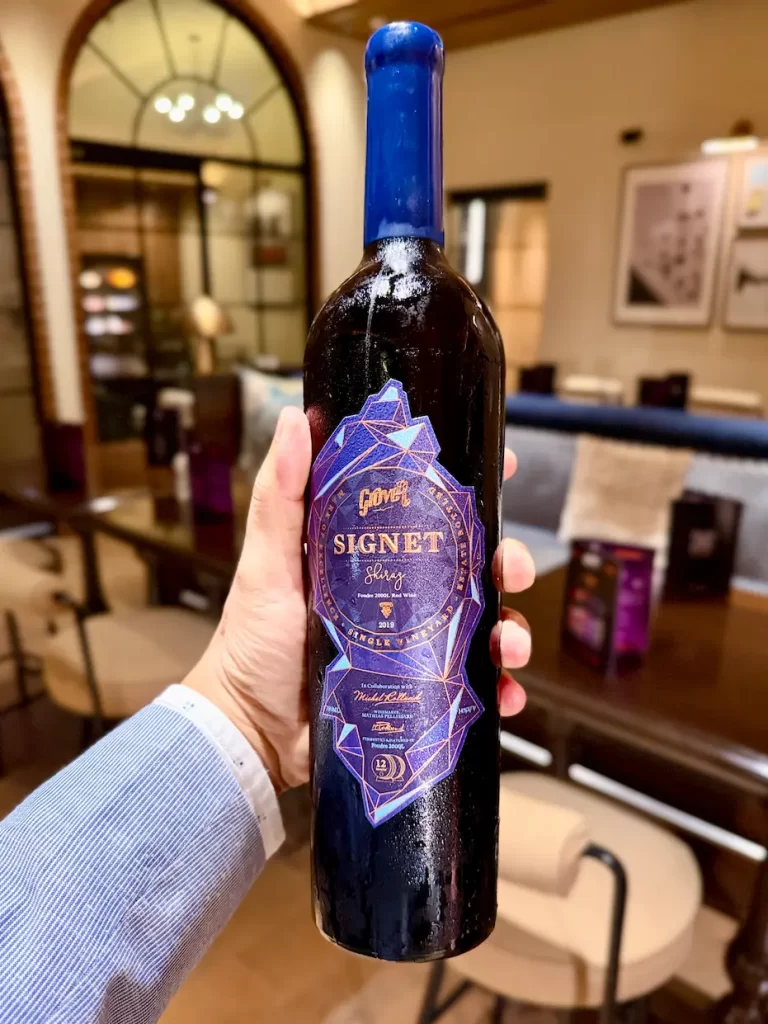
- Grape: Shiraz
- Ageing: 12 months in a 2,000-litre French oak foudre
- Style: Unfiltered
- Aroma: Blackberry, black cherry with hints of pepper and tobacco.
- Palate: Medium-bodied with soft tannins, elegant fruit and a gentle oaky finish.
The large volume of the foudre reduces the oak-to-wine surface area, allowing only subtle oak influence while preserving the purity of the Shiraz. The result is a fruit forward wine with smooth tannins and an impressive balance.
Signet Amphora
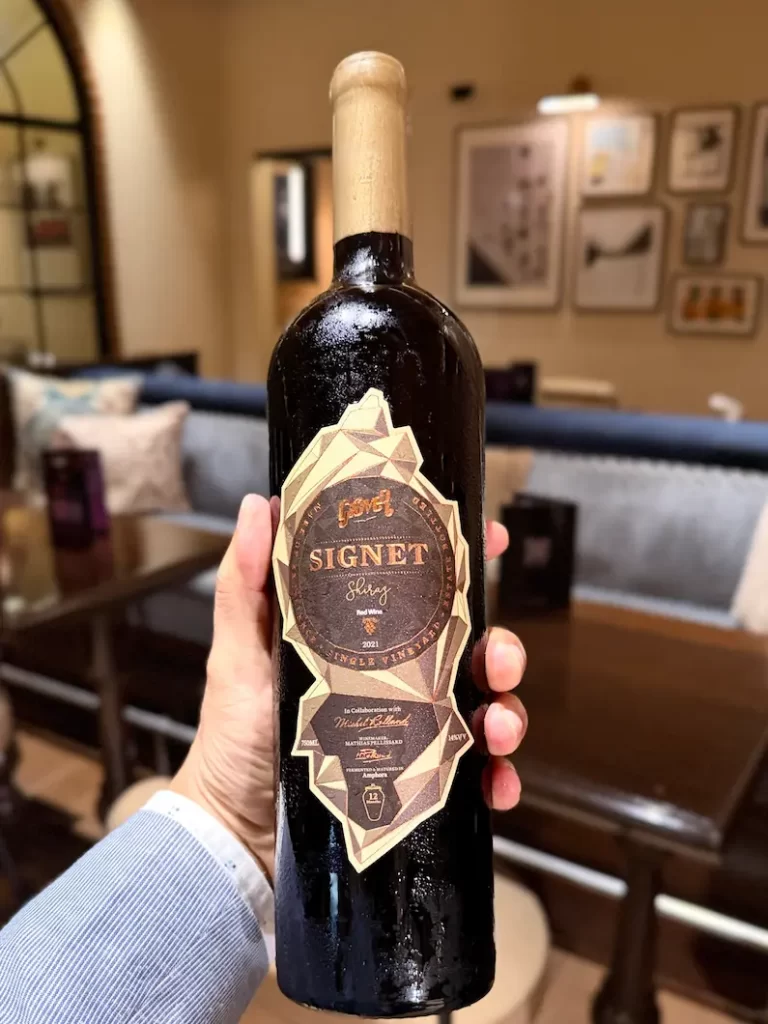
- Grape: Shiraz
- Ageing: 12 months in terracotta amphora
- Style: Unfiltered
- Aroma: Ripe plums and black cherries with earthy mineral nuances.
- Palate: Deep, rich and fresh with velvety tannins and a long, smooth finish.
The amphora contributes no character of its own, instead, the porous clay allows slow micro-oxygenation that softens the wine while preserving its fruit purity.
The resulting expression is perhaps the most distinctive of the three, combining freshness with a subtle earthy character, distinguishing it well.
Signet Concrete Tank (Spectrum)
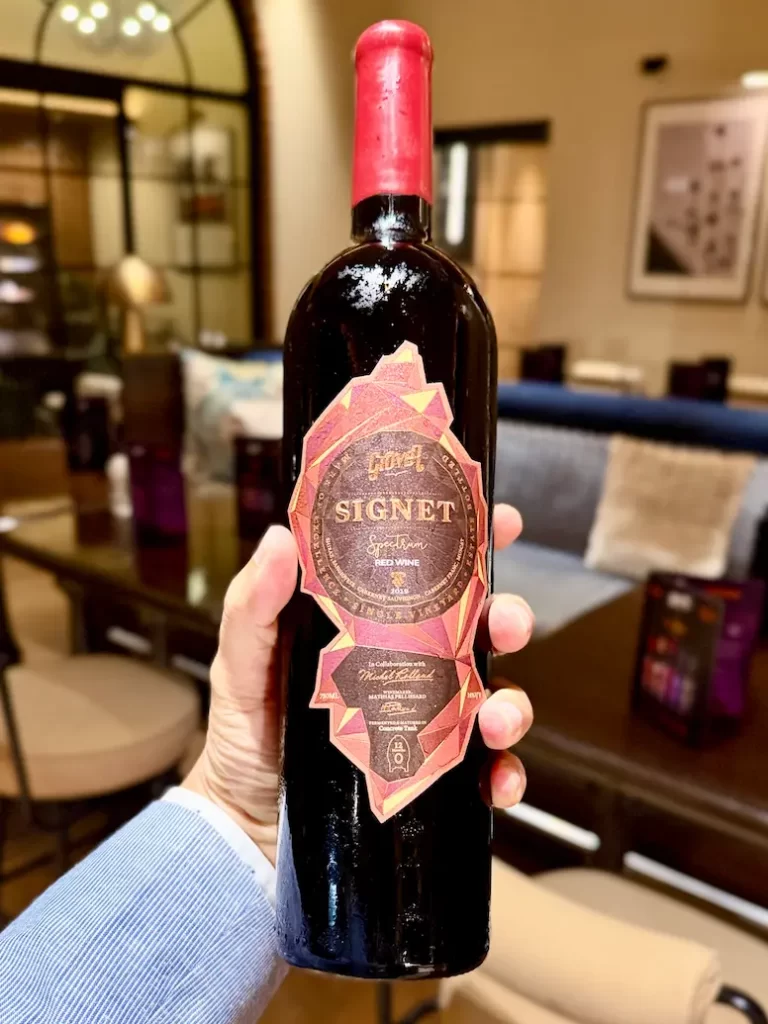
- Grapes: Shiraz, Sangiovese, Cabernet Sauvignon, Cabernet Franc and Muscat
- Ageing: 12 months in concrete tanks
- Style: Unfiltered multi-varietal blend
- Aroma: Dense black fruits, dried fruits and floral hints
- Palate: Full bodied, powerful and savoury with flavours of dark cherry, chocolate and almond .
Concrete has quietly become one of the most fascinating materials in modern winemaking. Its natural porosity permits gentle oxygen exchange without contributing any external flavours, while the egg-shaped vessel creates convection currents that continually circulate the wine during maturation.
The result is enhanced texture, remarkable freshness and a creamy mouthfeel. Among the three wines, Spectrum stood apart not only because of its blend but also because of its layered complexity and evolving palate.
The Emerging Space for Icon Indian Wines
The Signet series comfortably occupies the “icon wine” segment of the Indian industry. At this level, wineries are no longer just producing Reserve wines, but also investing in small-volume, highly expressive bottlings that demonstrate both technical capability and a willingness to innovate. This evolution is highly noteworthy in the Indian winemaking scenario.
The Real Test Lies Ahead
The Signet tasting also sparked an interesting conversation among friends from the wine trade. At around ₹4,000 and above, these wines enter a segment where they will increasingly compete with an expanding selection of premium international labels. With India concluding Free Trade Agreements with several wine-producing nations, lower import duties are expected to improve both the availability and competitiveness of overseas wines. The obvious question, therefore, is whether discerning consumers will choose an Indian wine over an established international label at a similar price.
That challenge is real, but so is the opportunity. Imported wines, despite their pedigree, continue to face inconsistent availability, changing import portfolios and uneven state-wise distribution. Also, barring famous labels, standing out amongst a crowd on the retail shelf is another big challenge for imported wines.
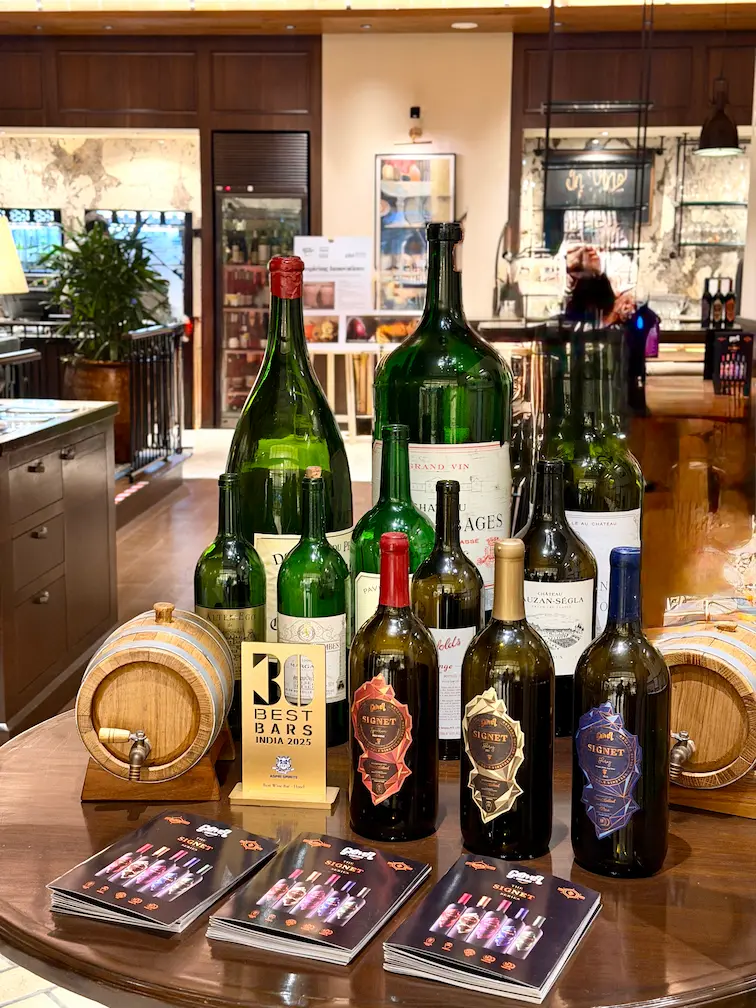
Indian wines on the other hand, enjoy the advantage of being closer to the consumer, with stronger brand recall and better availability across all channels.
Yet these strengths alone will not be enough in the years ahead. To succeed, Indian producers must offer something that imported wines cannot- an authentic expression of Indian terroir backed by original thinking and world-class craftsmanship. In that context, Signet is far more than another premium label. It reflects an industry that is no longer content with making good wines, but keen to explore bold new frontiers in the art of winemaking.