

A few years ago, a popular phrase used to describe wine in India was that it was a nascent market. Back then, knowing a handful of so-called noble grape varieties such as Cabernet Sauvignon and Chardonnay was considered a fairly good indication of wine knowledge. For many consumers, the grape and country of origin were enough to determine whether a wine was worth exploring. But a lot has changed since then, and how!
Today’s Indian wine consumer is considerably more wine-literate, curious and adventurous. There is growing interest in specialised wines from lesser-known regions, indigenous grape varieties, unusual winemaking techniques and, most importantly, the story behind the bottle.
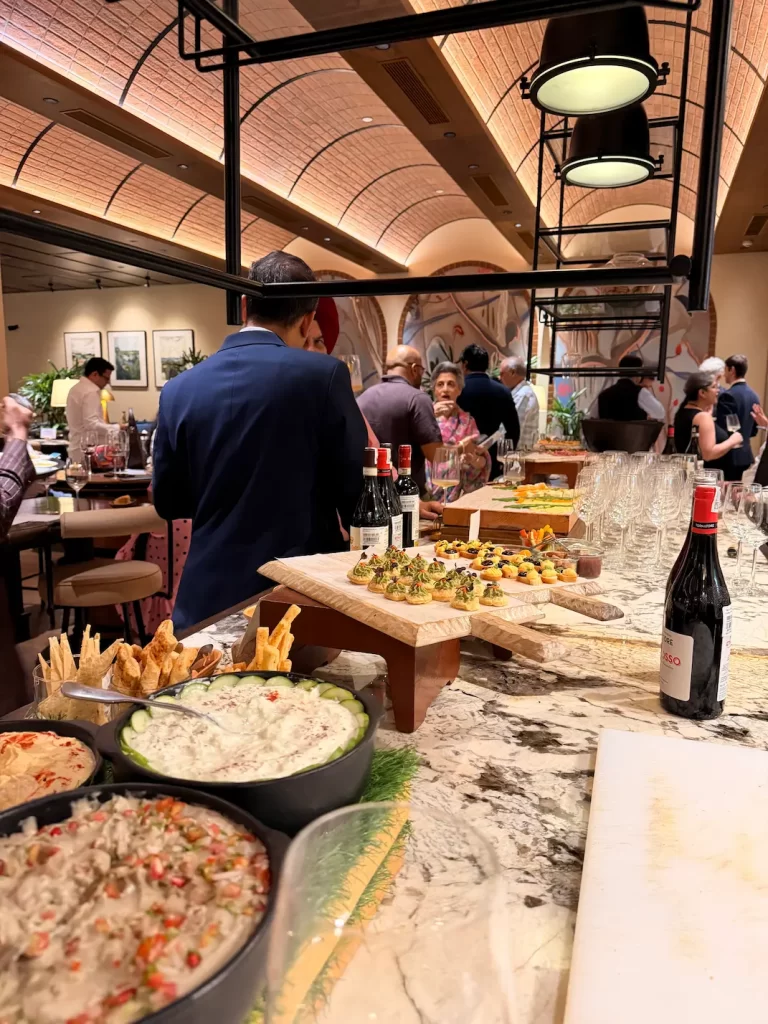
A recent tasting by Wine Park, one of India’s “boutique” wine importers, brought this changing mindset vividly to life. Its handpicked selection of wines piqued the curiosity of consumers and hospitality professionals, offering plenty to discover beyond the familiar. Held at The Captain’s Cellar at The Taj Mahal Hotel, New Delhi, the tasting was hosted personally by Vishal and Ashu Kadakia– the owners of Wine Park, known well for their passion of wine.
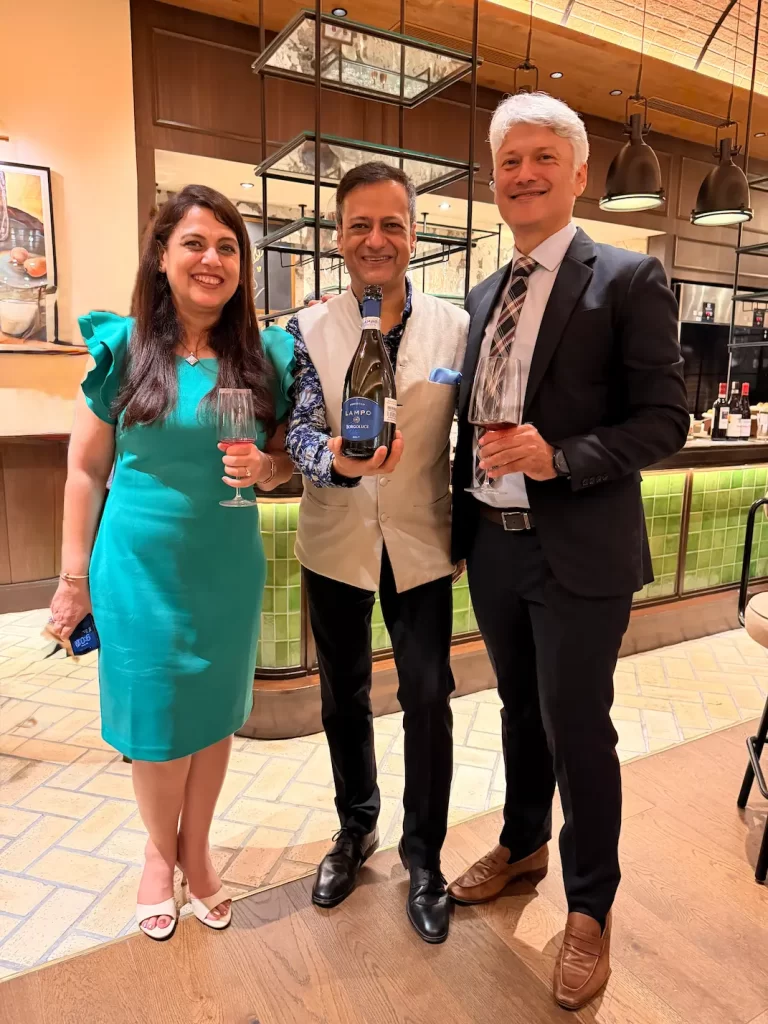
A tasting no wine lover could miss
The walk around tasting included 11 of Wine Park’s wines from Italy and France, each representing a different terroir and the unique standing of the respective producers within their regions.
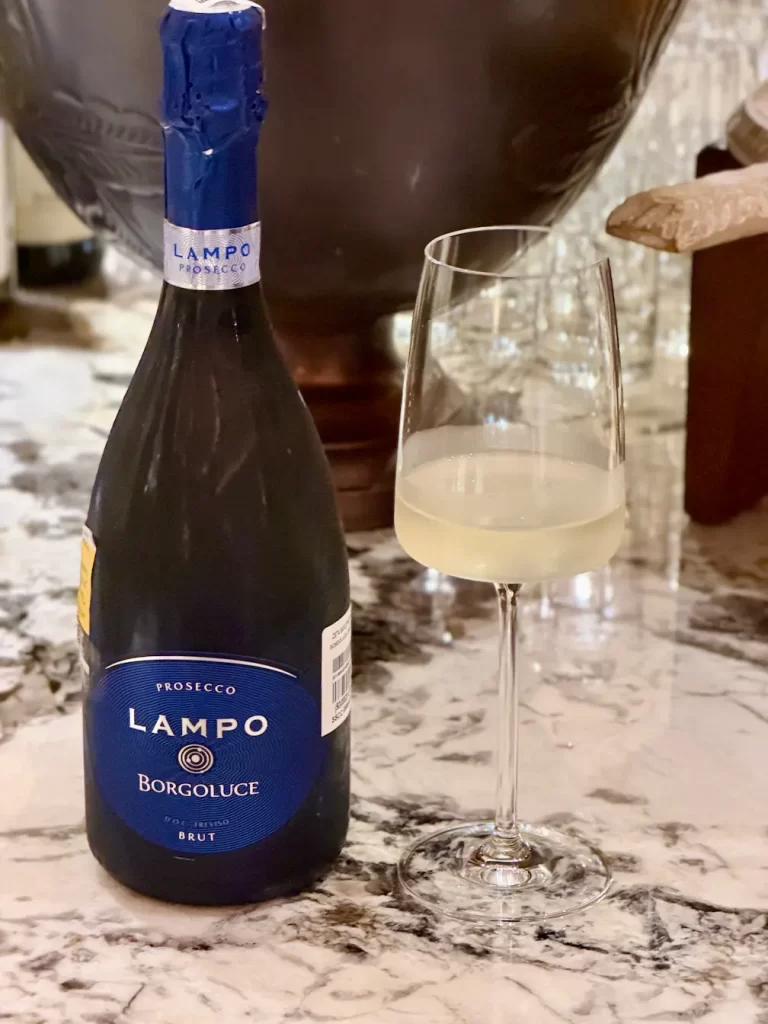
We began with Borgoluce Lampo Brut (₹ 2595) , a lively expression of Prosecco from Veneto. Fresh, fruity and energetic, it was a great palate refresher to set the tone for the evening.
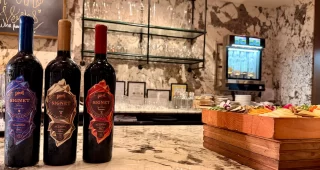
Thereafter, guests were at liberty to dispense their preferred wines from an automated dispenser, apart from the regular option of getting served by the hotel staff. This was a great thought on part of the organisers, as the gathering comprised of a highly wine literate audience who could pursue the tasting with a great deal of flexibility rather than a “one size fits all” approach.
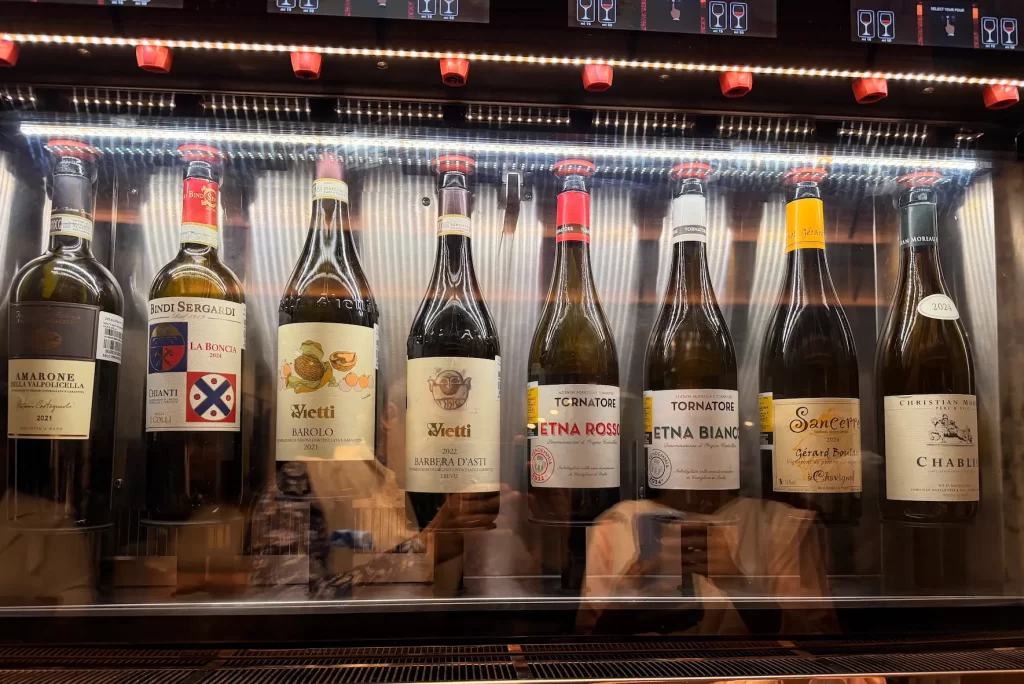
Might of the Whites
Four still white wines at the tasting were:
- Di Majo Norante Molì Bianco 2024 (Falanghina)- ₹ 2190
- Domaine Gérard Boulay Sancerre 2024 (Sauvignon Blanc)- ₹ 9950
- Tornatore Etna Bianco 2024 (Carricante)- ₹ 6195
- Domaine Christian Moreau Père et Fils Chablis 2024 (Chardonnay)- ₹ 7580
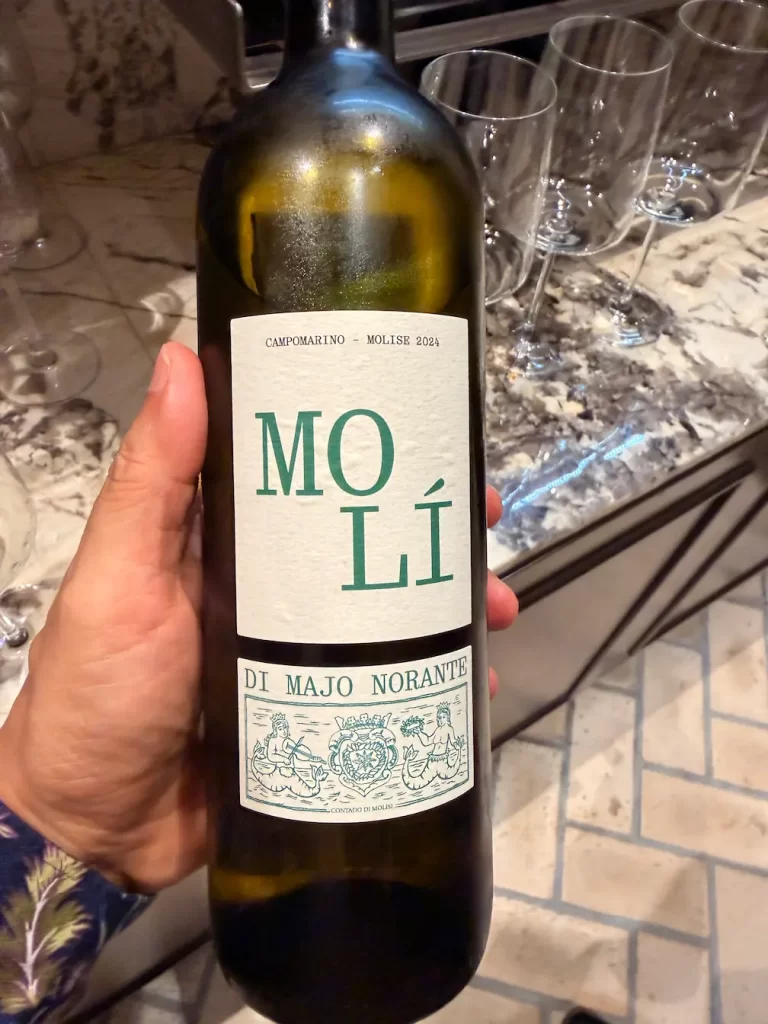
The Molì Bianco, from southern Italy (Molise), brought a softer, fruit-driven expression, while the Etna Bianco from Sicily had its trademark volcanic soil imprint with a distinctively flinty/mineral character.
Coming to the French whites, the Sancerre from Chavignol was restrained, citrusy and tropical, rather than simply “grassy” as the cliché for the varietal goes.
The Chablis on the other hand was orchard-fruit oriented, with a mineral finish attributable to its chalk-limestone terroir.
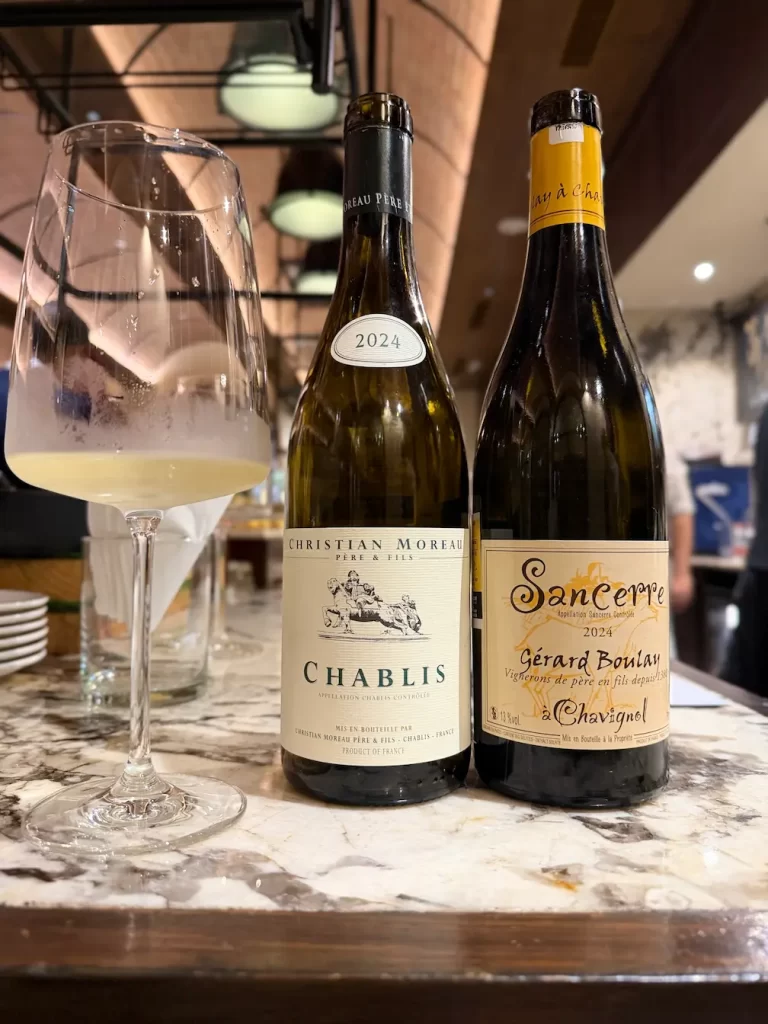
It was particularly fascinating for me to compare the whites side-by-side across different varietals and terroirs.
Diverse Red Wines from the Portfolio
The red wines at the tasting offered a diverse spectrum, tasted broadly from lighter and more approachable to fuller, more structured and more powerful:
- Famille Fabre Grande Courtade 2024 (Pinot Noir )- ₹ 2590
- Vietti Barbera d’Asti Tre Vigne 2022 (Barbera)- ₹ 5595
- Bindi Sergardi La Boncia Chianti 2024 (Sangiovese)- ₹ 3595
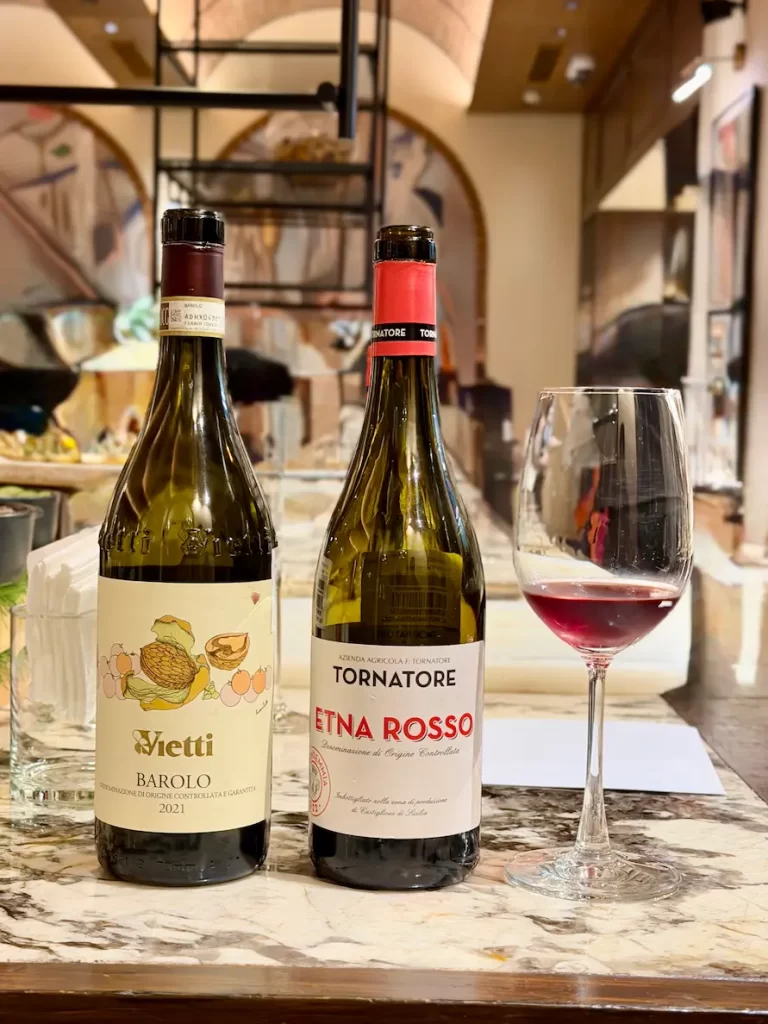
- Tornatore Etna Rosso 2020 (Nerello Mascalese, Nerello Cappuccio)- ₹ 6195
- Vietti Barolo 2021 (Nebiollo)- ₹ 17995
- Tenuta Sant’Antonio Amarone della Valpolicella 2020 (Corvina, Corvinone, Rondinella, Croatina, Oseleta)- ₹ 11295
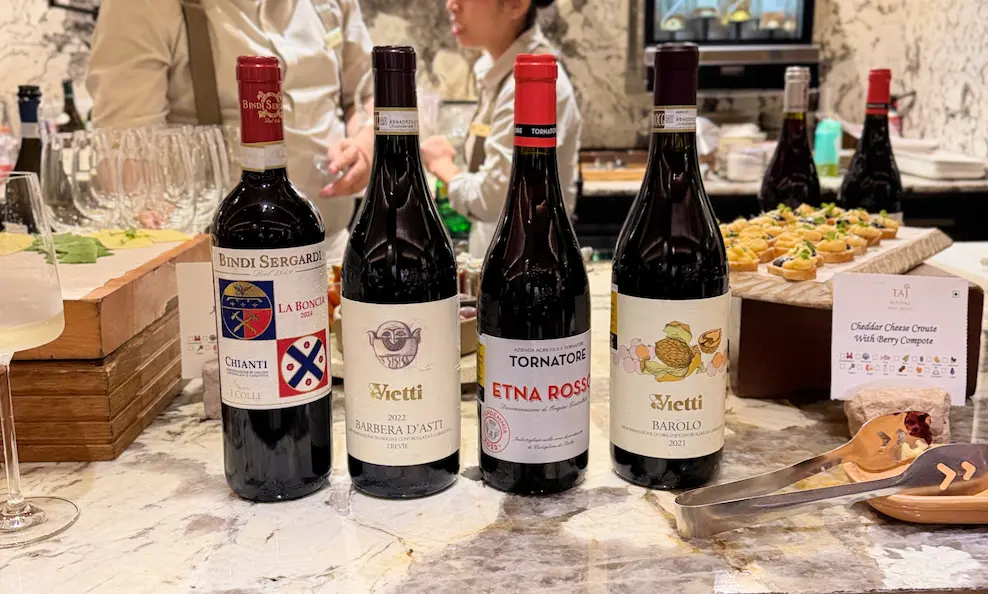
The Barbera was bright, juicy and acidity-driven, showing why the variety is such a natural partner for food. The Chianti offered another distinctly Italian combination of freshness, red fruit and savouriness.
Coming to Vietti Barolo, it delivered what was expected- pale in the glass, yet with considerable tannin, acidity, and perfume. Then came the Etna Rosso with its juicy character complemented by by a bright acidity and a sound structure. Comparing Barolo with Etna Rosso side-by-side was another interesting way to note the similarities and differences of two of Italy’s iconic varietals coming from its northern and southern extremities.
Finally Tenuta Sant’Antonio’s big, bold yet approachable Amarone della Valpolicella rounded up the gourmet experience. This was a diffrent Amarone than what I have experienced earlier, as it was surprisingly easy drinking without sacrificing on its characteristically dense palate.
I somehow missed out on the Famille Fabre Grande Courtade Pinot Noir, which I believe can have a great value proposition from the Languedoc region. I hope to taste it soon.
Captain’s Cellar- A wine friendly destination
The food at Captain’s Cellar was very much part of the engrossing wine tasting experience. An elaborate grazing table made for some impromptu pairings, while the circulating small plates kept adding to the culinary experience as the tasting progressed.
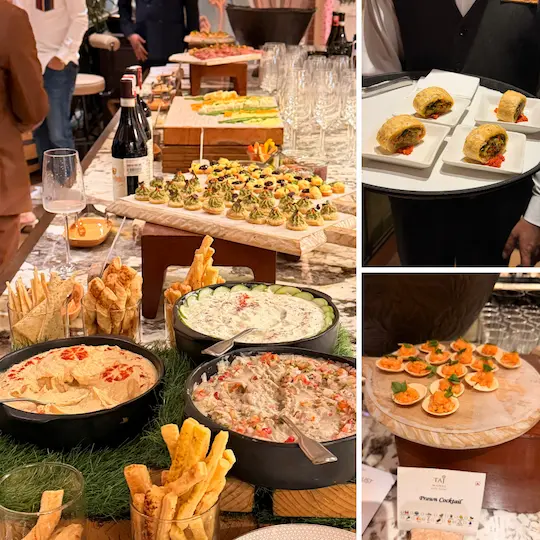
I have attended several wine tastings here lately, and it is easy to see why the place is becoming a favourite for such occasions. A cosy setting, attentive wine service and food that plays well with wine makes it a great wine friendly destination. Sometimes, the success of a tasting is as much about the setting as it is about what is in the glass.