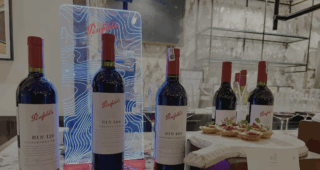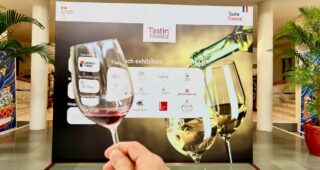
Some tastings stay with you. A few elevate your understanding of wine. And then there are those that define an entire year of tasting experiences. The recent Bordeaux Grand Cru Classé tasting in New Delhi was very much the mother of all tastings for me in 2025 — and quite fittingly, it now takes place of pride as the year’s concluding feature on this blog.
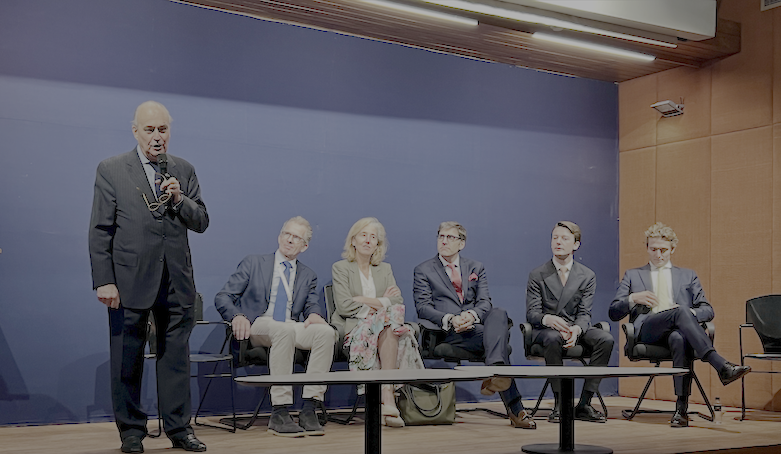
The Bordeaux Grand Cru Classé tasting in New Delhi was organised in Nov 2025 by Business France India in association with the Conseil des Grands Crus Classés en 1855– an organisation that represents and protects the historic 1855 wine classification of Médoc and Sauternes. The event brought together a formidable line-up of historic Bordeaux estates.
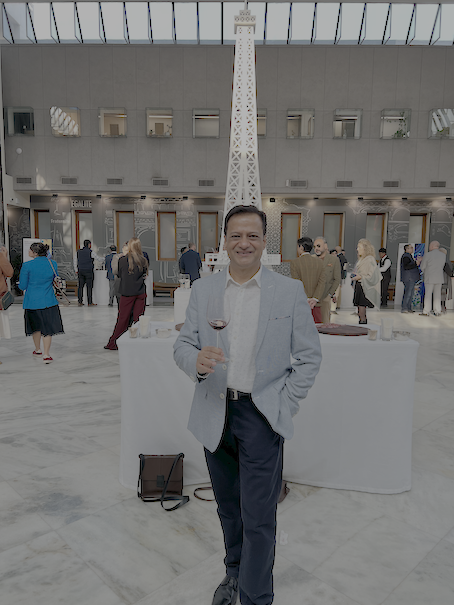
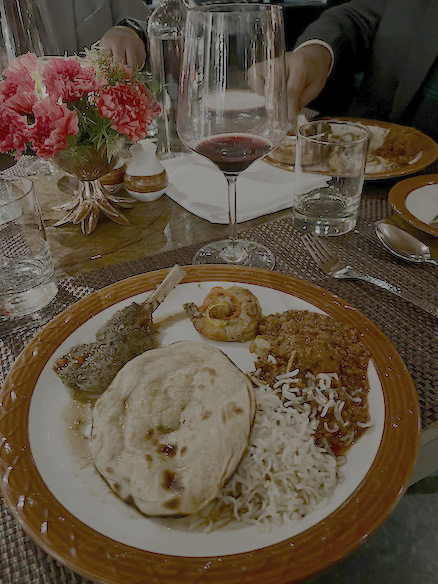
The afternoon walk-around tasting at the Embassy of France was followed by an intimate wine dinner at Baluchi, The Lalit New Delhi, where these great wines were paired with a bold and authentic Indian spread that the restaurant is renowned for.
Also Read: Tasting Bordeaux Grands Crus Wines: Vintage 2009
Understanding the 1855 Grand Cru Classé System
To fully appreciate the significance of this tasting, one must return to 1855, when Bordeaux formalised what remains the world’s most famous wine classification. Created for the Paris Universal Exposition, the system ranked leading Médoc estates — with Sauternes classified separately for sweet wines — into five tiers, from Premier Cru (First Growth) to Cinquième Cru (Fifth Growth), based largely on reputation and market value at the time.
Why Growth Rankings Don’t Tell the Whole Story
What is often misunderstood is that a higher growth does not automatically translate into a better wine. This point was clearly articulated by Philippe Castéja, President of Château Batailley and the Borie-Manoux group, who led the Grands Crus delegation at the tasting. A long-time visitor to India, Philippe brings decades of perspective on how Bordeaux wines evolve across vintages and markets.
Snapshot: Grands Crus Classés en 1855
Year established: 1855
Purpose: Created for the Paris Universal Exposition to rank Bordeaux’s finest estates
Total estates classified (1855): 88
Red Wines – 61 estates (Médoc plus Château Haut-Brion in Graves)
Sweet Wines – 27 estates (Sauternes & Barsac)
- 5 First Growths
- 14 Second Growths
- 14 Third Growths
- 10 Fourth Growths
- 18 Fifth Growths
Key appellations: Pauillac, Margaux, Saint-Julien, Saint-Estèphe, Haut-Médoc
Classification levels (Sauternes and Barsac)
- 1 Premier Cru Supérieur (Château d’Yquem)
- 11 Premiers (First) Crus
- 15 Deuxièmes (Second) Crus
In reality, quality in Bordeaux is shaped by multiple factors: vintage conditions, vineyard management and yields, winemaking philosophy and investment, vine age, bottle age and storage, and the ongoing evolution of an estate. As a result, a Third or Fifth Growth from an outstanding vintage can often outperform a First or Second Growth from a weaker year. Seasoned Bordeaux lovers therefore view the 1855 classification as a historical framework, rather than a guarantee of superiority in every bottle.
This nuance makes tastings like this especially rewarding, as one can compare among others, wines of different vintages from the same terroir, and distinctive terroir expressions side-by-side .
Also Read: Tastin’ France 2025: Persistent And Well Timed
The Estates and Regions Represented at New Delhi Tasting
The tasting featured classed growths from Médoc and Sauternes, covering five major appellations:
- Pauillac
- Saint-Estèphe
- Saint-Julien
- Margaux
- Sauternes
Together, they offered a panoramic view of Bordeaux’s stylistic range — from structured, Cabernet-driven reds to perfumed elegance and richly sweet wines.
Médoc and Sauternes at a Glance
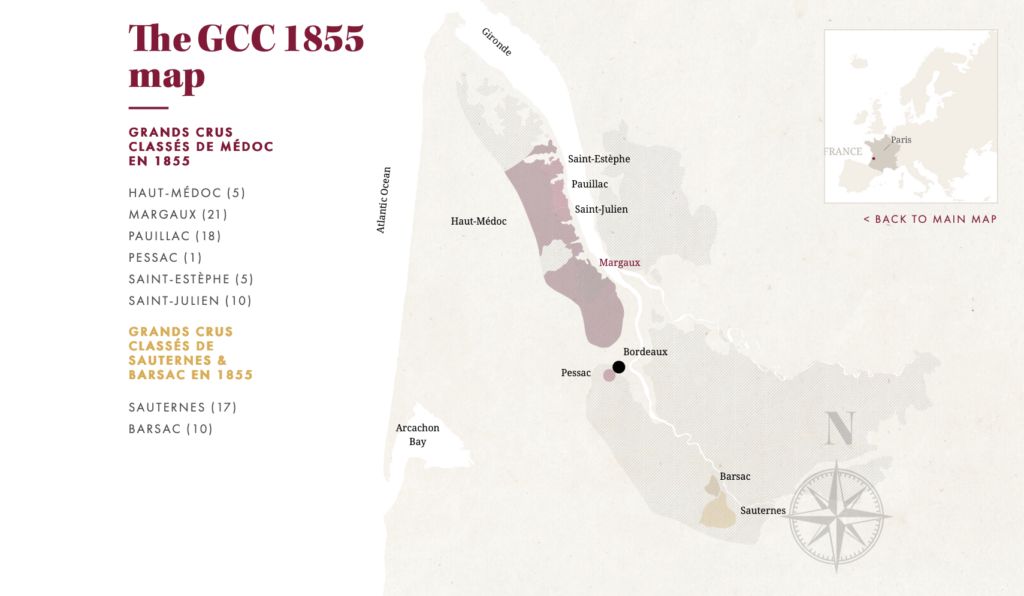
What stood out clearly was Bordeaux’s sense of place. Pauillac showed power and precision, Saint-Estèphe brought firmness and mineral depth, Saint-Julien balanced elegance with structure, Margaux impressed with finesse and aromatics, while Sauternes delivered richness lifted by acidity.
Even within the same classification system, regional personality remains unmistakable.
The Wines Tasted: Estate Highlights
Pauillac
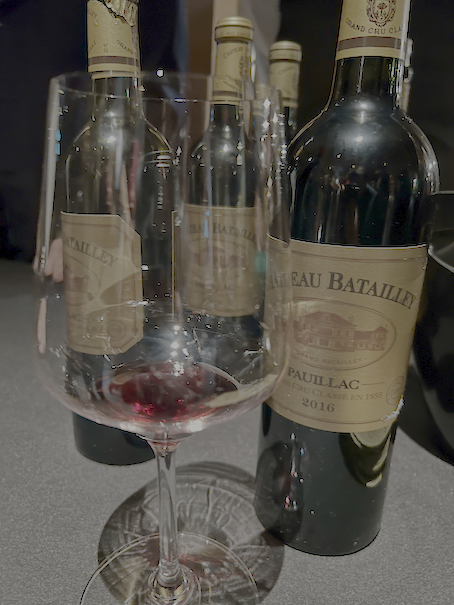
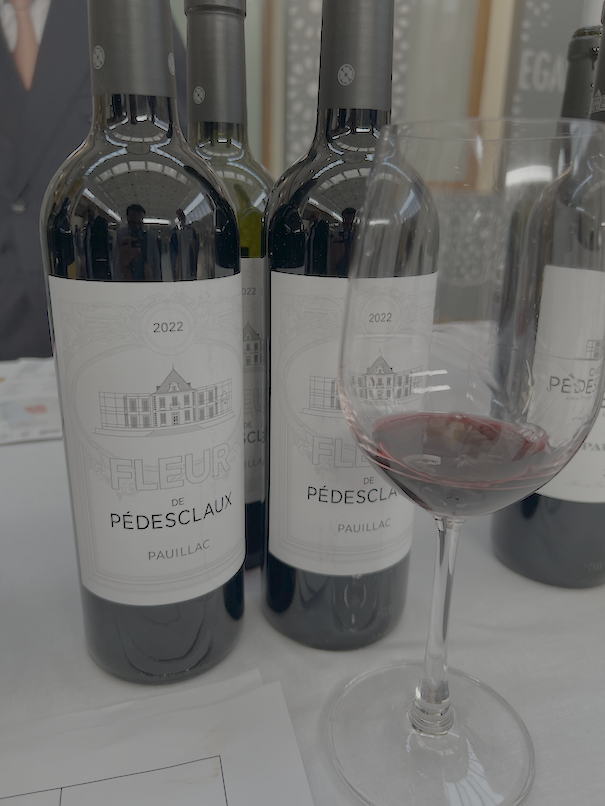
- Château Batailley 2016 (Cinquième Cru – Fifth Growth)
Classic Pauillac with dark fruits, cedar and firm tannins; structured and age-worthy. - Château Pédesclaux 2019 (Cinquième Cru – Fifth Growth)
Modern, polished style with ripe berries and controlled oak. - Fleur de Pédesclaux 2022 (second wine of Château Pédesclaux)
Fresh, fruit-driven and approachable in its youth.
Saint-Estèphe
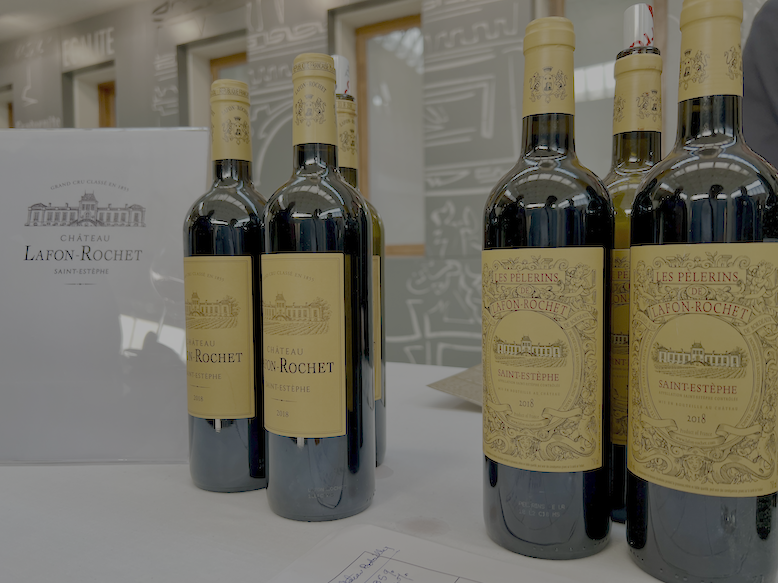
- Château Lafon-Rochet 2018 (Quatrième Cru – Fourth Growth)
Grippy tannins, black fruits and graphite; serious and structured. - Les Pèlerins de Lafon-Rochet 2018 (second wine)
Rounder, softer and more immediately drinkable.
Margaux
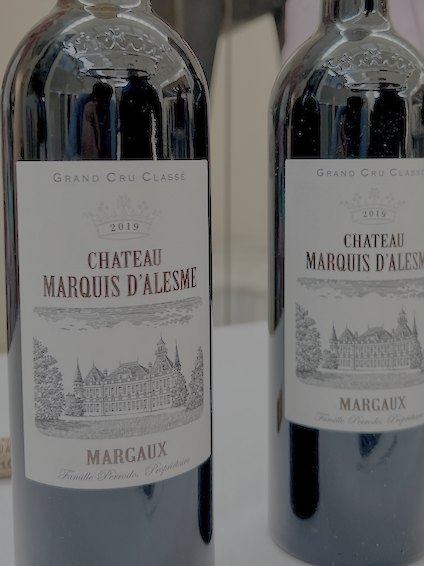
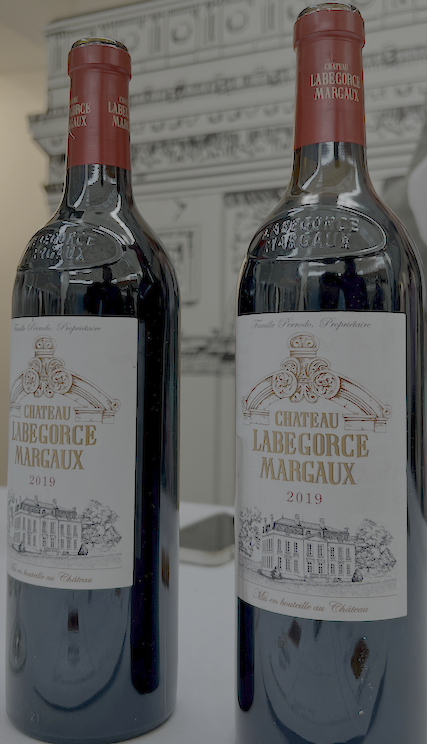
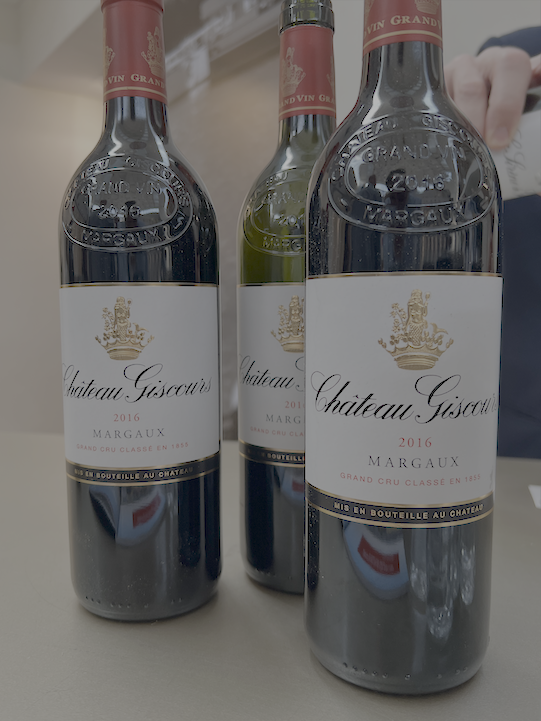
- Château Marquis d’Alesme 2019 (Troisième Cru – Third Growth)
The estate produces only one wine; refined, layered and elegant. - Château Labégorce 2019 (Cru Bourgeois Supérieur, non-classed)
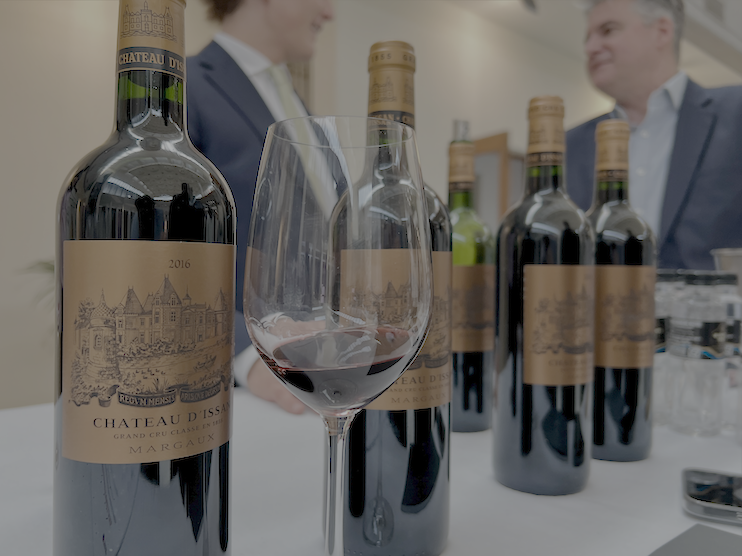
Bright fruit, supple tannins and classic Margaux charm. - Château d’Issan 2018 (Troisième Cru – Third Growth)
Approachable and aromatic, with violets, cedar and red fruits. - Château d’Issan 2016 (Troisième Cru – Third Growth)
Denser and more savoury, showing depth and ageing potential. - Château Giscours 2016 (Troisième Cru – Third Growth)
Structured yet refined, with dark fruits and impressive length. - La Sirène de Giscours 2018 (second wine)
Juicy, polished and immediately appealing.
Saint-Julien
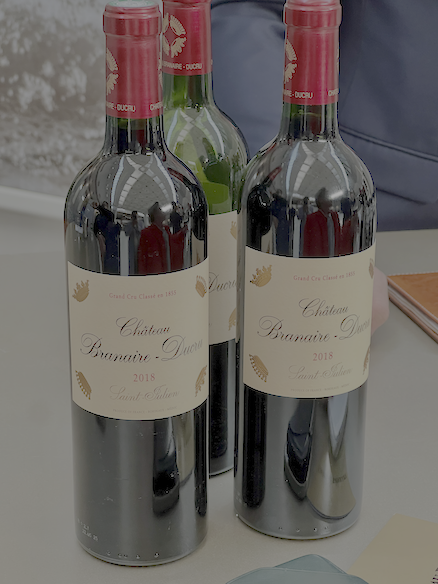
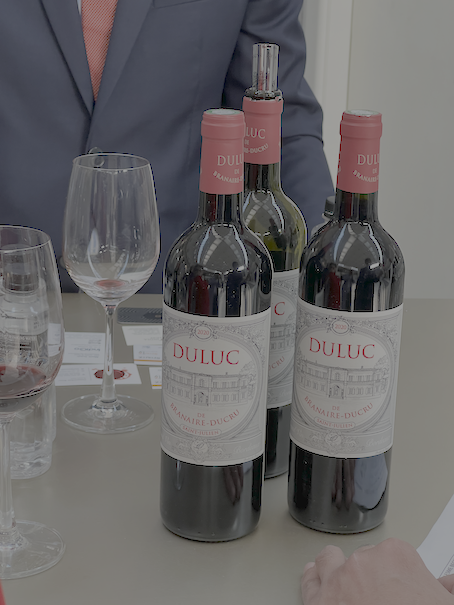
- Château Branaire-Ducru 2018 (Quatrième Cru – Fourth Growth)
Balanced and expressive, with dense berries and clear ageing promise. - Duluc de Branaire-Ducru 2020 (second wine)
Fresh, charming and designed for earlier drinking.
Sauternes
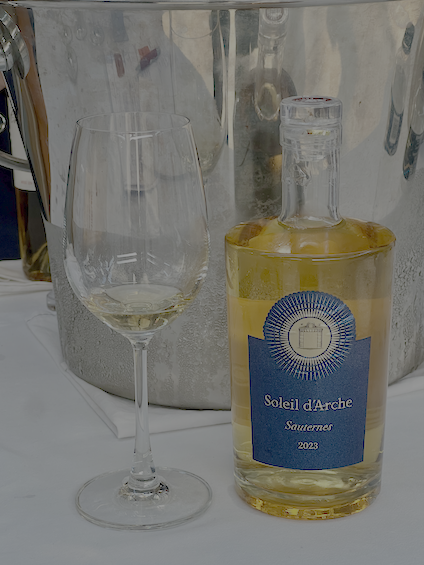
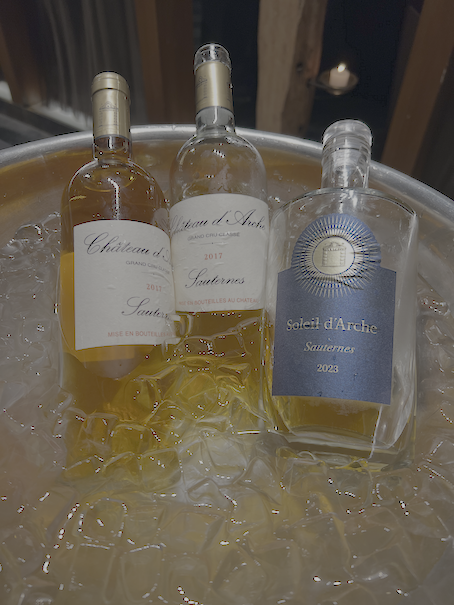
- Soleil d’Arche 2023 (second wine of Château d’Arche)
Pale gold, with peach and floral notes; lively sweetness. - Château d’Arche 2017 (Deuxième Cru – Second Growth, Sauternes)
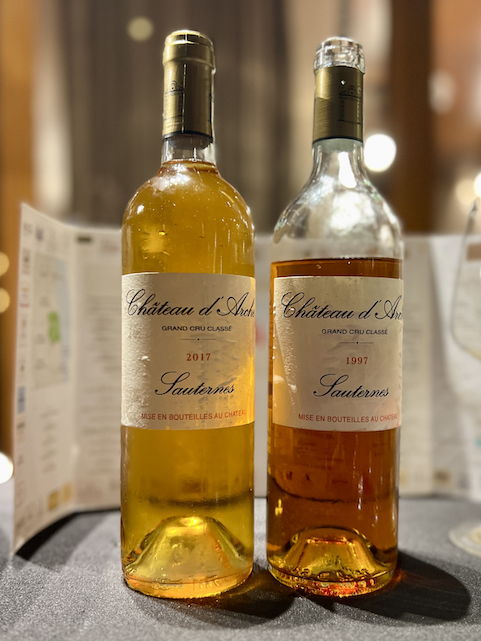
Deep gold colour, figs, dried fruits and apricots; rich yet beautifully balanced.
An Evening at Baluchi, The Lalit New Delhi
When Bordeaux Meets Indian Cuisine
At Baluchi, a few well-chosen older vintages — notably Château Branaire-Ducru 2010 and Château d’Arche 1997 — showed just how beautifully these wines can age, even alongside bold Indian flavours. The evening was confidently steered by Charles Donnadieu, Corporate Sommelier at The Lalit Hotels, a Frenchman whose deep experience in India ensured seamless service and thoughtful pairings across a generous and diverse spread.
Looking Ahead: Bordeaux and India
In conversation with Vianney Meynier from Business France, it became clear that this tasting marks only the beginning. Larger Bordeaux showcases and deeper engagements are planned for India in the near future — welcome news for both wine lovers and the trade.

For Indian enthusiasts of fine wine, Bordeaux is no longer a distant reference point. It is increasingly present, accessible, and relevant — and tastings like this reinforce why its great estates continue to inspire, challenge, and reward those willing to explore beyond the label.